

Blog
Florida Sun Damage: How UV Rays Impact Your Roof Over Time
The relentless rays of the Florida sun can wreak havoc on your roof, making it essential to understand the implications of UV exposure. At Avenue Roofing, we recognize that these intense UV rays are one of the Sunshine State’s major challenges, compromising the structural integrity of various roofing materials. Our expert team in Jacksonville, FL offers regular roof inspections to help identify damage early, preventing costly repairs. With a proactive approach to maintenance, Avenue Roofing enables homeowners to enhance energy efficiency and extend the life of their roofs while ensuring the protection of their homes against the elements.
Understanding Florida’s Intense UV Rays and Your Roof
Florida’s unique climate means your roof is exposed to some of the most intense sunlight in the country. These powerful UV rays, combined with high heat, create a challenging environment for any roofing system. This constant exposure can lead to rapid deterioration and heat buildup in your attic.
Protecting your investment starts with understanding exactly why our local sun is so powerful and how it affects your roof. Let’s look at what makes the sun here different and how your roof reacts to it.
Contact UsWhy Are UV Rays Stronger in Florida?
Florida’s geographical location near the equator results in intensified UV radiation, leading to stronger rays. The state also experiences a high number of sunny days year-round, which further amplifies the exposure. This unique combination significantly impacts roofs and their materials over time.

How Roofs React to Constant Sun Exposure
The constant exposure to intense sun in Florida accelerates the aging process of roofing materials. Asphalt shingles may experience granule loss, leading to reduced UV protection and compromised structural integrity. Metal roofs, while resilient, can endure heat buildup that affects their thermal expansion. Over time, these effects contribute to moisture buildup, resulting in potential water damage and costly repairs. Regular roof inspections and proper maintenance are essential to mitigate these risks and enhance the lifespan of your roof.
Types of Roofing Materials and Their Vulnerability to Sun Damage
In Florida, homeowners have several choices for roofing materials, each with its own level of resistance to UV damage. The most common options include asphalt shingles, tile roofs, and metal roofs. Understanding their unique vulnerabilities is key to making an informed decision for your home.
Let’s explore how these popular materials compare when faced with Jacksonville’s intense sun and what that means for your roof’s health and longevity.
Asphalt Shingles Versus Other Common Options
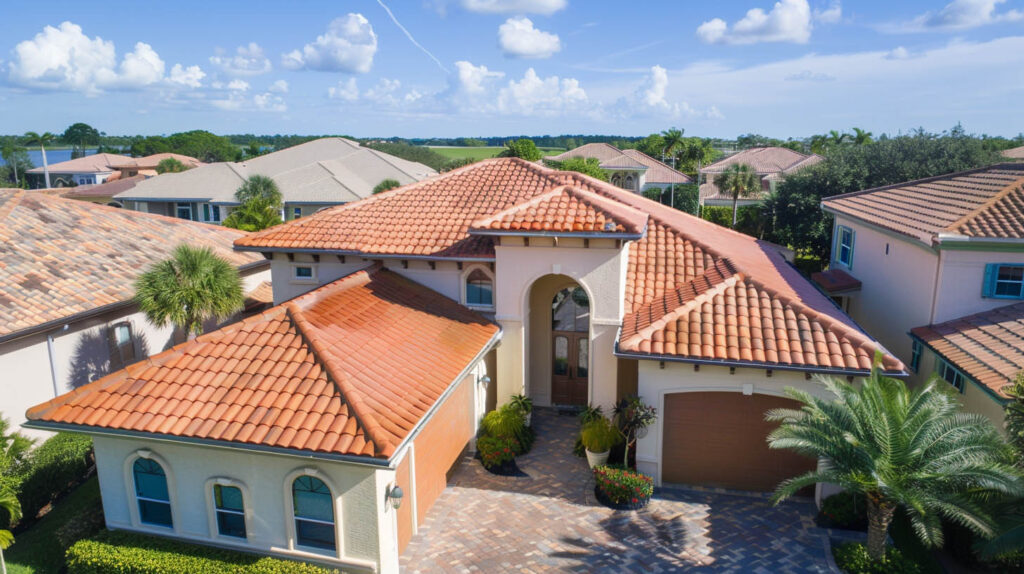
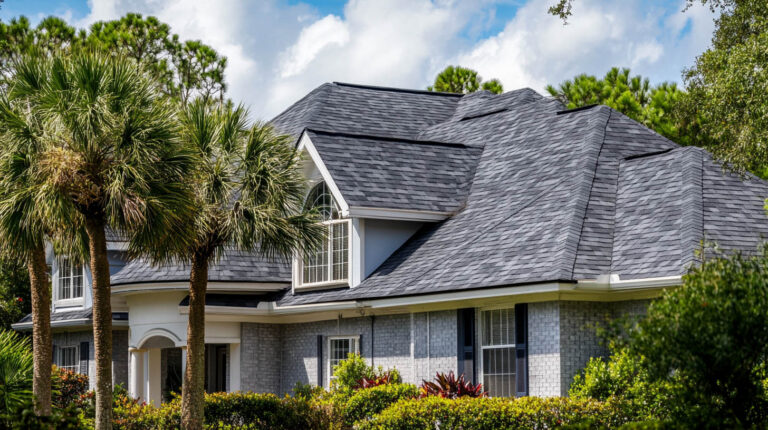
Asphalt shingles are a popular roofing choice due to their cost-effectiveness and ease of installation. However, competing materials like tile, metal, and flat roofs offer distinct advantages against Florida’s intense sun and humidity. While asphalt may experience granule loss and UV damage, tile roofs excel in reflecting UV rays, extending their lifespan. Conversely, metal roofing boasts energy efficiency and heat resistance, significantly reducing the risk of thermal expansion and associated structural damage. Exploring these options can enhance your roof’s durability against Florida’s unique challenges.
How Tile, Metal, and Flat Roofs Stand Up to UV Rays
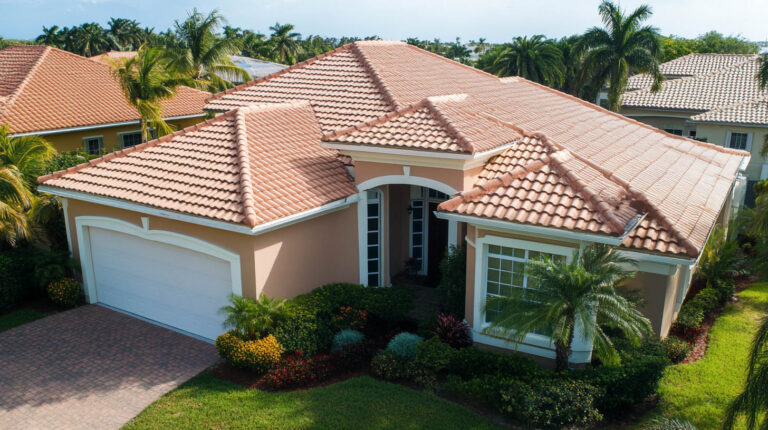
Tile roofs exhibit remarkable resilience against the intense sun, utilizing their natural reflective properties to minimize heat absorption and UV damage. Similarly, metal roofing is known for its durability and resistance to UV radiation, often featuring protective coatings that enhance longevity. Flat roofs, though more vulnerable, can be equipped with reflective membranes to combat the harsh Florida climate. Keeping roofs in optimal condition through regular inspections and proper maintenance can further mitigate sun-related wear and prolong the life of these roofing materials.
Key Signs of Florida Sun Damage on Your Roof
Do you know what to look for when checking your roof for sun damage? Spotting problems early can save you from expensive repairs down the road. That is why a routine roof inspection is so important in our sunny climate.
Knowing the visual cues of sun damage, such as granule loss or faded spots, empowers you to take action before minor issues become major headaches. Here are the specific signs to watch for.
Common Visual Indicators Homeowners Should Watch For
Visible signs such as granule loss on asphalt shingles can indicate significant UV damage to a roof. Homeowners should also be vigilant for water stains or discoloration, which suggest moisture infiltration. Missing shingles or cracks could point to structural damage, opening the door to further issues. Observing these visual indicators early through regular roof inspections is essential for maintaining structural integrity. Addressing these concerns promptly helps prevent costly repairs and extends the life of your roof in Florida’s intense climate.
How Sun Damage Develops into Leaks or Other Problems
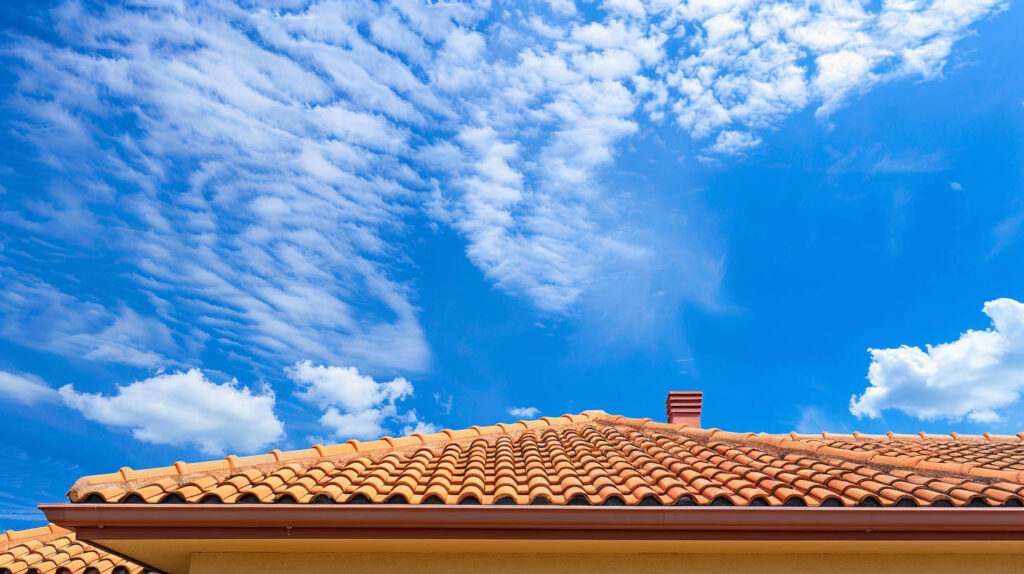
Continuous exposure to UV rays leads to the deterioration of roofing materials, causing the aging process to accelerate. As chemical bonds weaken, granule loss occurs, exposing the underlying layers to intense heat and moisture. Over time, this can result in severe issues such as water infiltration, which may create a breeding ground for mold and structural damage. Regular roof inspections are essential to spot early signs of sun damage, preventing costly repairs and extending the life of your roof.
The Impact of Long-Term Sun Exposure on Roof Lifespan
Long-term UV exposure significantly shortens your roof’s lifespan. Materials that are rated to last 20-30 years in milder climates may fail in as little as 15 years in Florida without proper care. This accelerated aging makes proactive maintenance a necessity, not a choice.
Regular inspections are the key to maximizing your roof’s life. A professional can identify sun-related wear and suggest measures to slow the deterioration, saving you from a premature and expensive replacement.
The Effect of Heat and UV on Roof Durability
Prolonged exposure to Florida’s intense heat and UV rays significantly impacts roof durability. Over time, UV radiation breaks down the chemical bonds within roofing materials, leading to granule loss, warping, and weakening structural integrity. Asphalt shingles may experience accelerated aging, causing them to become brittle and prone to cracking. Similarly, higher temperatures can exacerbate thermal expansion, putting additional stress on roofs. Ultimately, these factors contribute to costly repairs and a reduced lifespan for your roof, making regular inspections essential for maintaining performance.
The Role of Salt Air in Coastal Florida Roof Wear
Salt air poses a unique challenge to roofs along the Florida coastline. The corrosive properties of salt can accelerate the aging process of roofing materials, particularly metal and asphalt shingles, leading to significant wear over time. Exposure to this salt-laden air compound with intense UV rays increases the likelihood of moisture buildup, further weakening chemical bonds and leading to potential roof damage. Regular inspections and maintenance are essential to address any emerging vulnerabilities and protect your roof’s structural integrity against these harsh coastal conditions.
Contact Us
Understanding Florida’s intense UV rays is crucial for your roof’s longevity. Different materials react uniquely to sun exposure, so watch for signs like discoloration or cracking. Addressing these issues early prevents leaks and structural damage. Regular inspections and maintenance extend your roof’s lifespan in Florida’s harsh climate. For expert advice or a quote, contact Avenue Roofing—our veteran-owned team delivers precise, attentive service for every project.
Call Us 904-712-3494Frequently Asked Questions
How often should I have my roof inspected in Florida because of the sun?
Due to the intense sun and high humidity, we recommend a professional roof inspection at least once a year. Regular inspections are the best way to catch sun damage early, prevent costly problems, and give you peace of mind.
Can UV damage cause roof leaks or structural issues?
Yes, absolutely. UV damage weakens roofing materials, causing cracks and brittleness that lead to leaks. If left unaddressed, this water intrusion can cause rot and structural damage to your roof deck, resulting in the need for costly repairs.
Read our blog: Top 5 Signs Your Roof Needs Immediate Repair After a Storm
Ready for a free inspection?
Your Guide to A Roofing Education:
From inspection to perfection.
Get Started