
Blog
How Jacksonville’s Live Oaks Affect Roof Lifespan in Riverside & Avondale
The beautiful live oak trees in Jacksonville’s Riverside and Avondale neighborhoods give the area its unique charm. However, for Florida homes, these majestic trees can present serious challenges to your roof. The combination of shade, debris, and moisture can significantly shorten your roof’s lifespan. At Avenue Roofing, we understand these local issues and help homeowners protect their investment with the right roofing materials and proper maintenance.
Live Oaks and Roof Issues
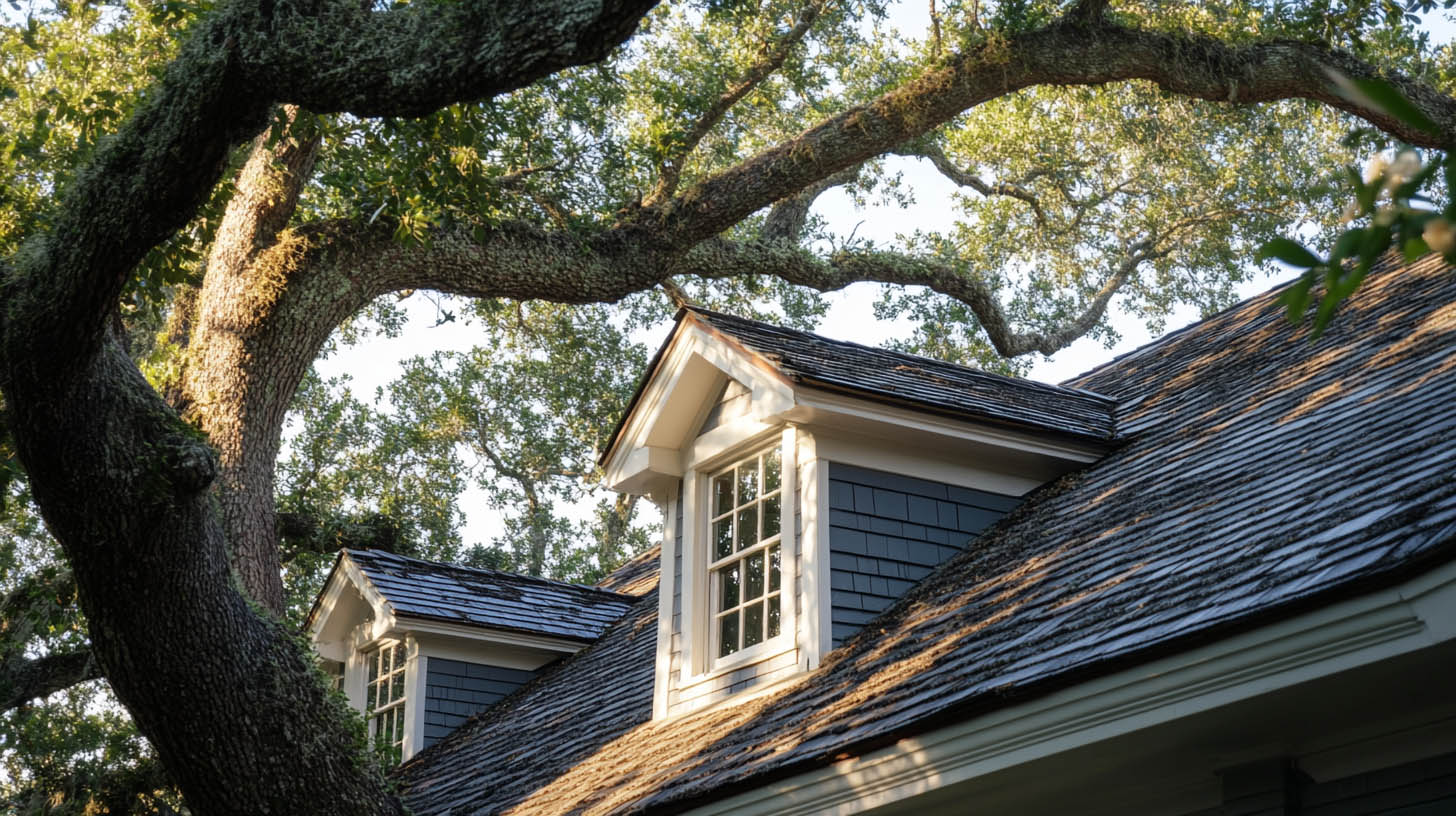
Live oaks are a defining feature of our historic Jacksonville, FL neighborhoods, but their very nature creates roofing problems. Their massive canopies drop a steady stream of leaves and acorns, while creating dense shade that affects your roof structure.
These factors mean roofs in this area face unique pressures not seen in other parts of the city. Understanding how live oaks impact your roof is the first step toward preventing the need for a premature roof replacement.
Contact UsUnique Growth Patterns of Jacksonville’s Live Oaks
Jacksonville’s live oaks exhibit distinctive growth patterns characterized by expansive canopies and aggressive root systems. These large trees thrive in Florida’s climate, adapting to the region’s high humidity and daily temperature swings. Their sprawling branches not only provide shade but also create unique microenvironments that can influence roofing materials’ performance. Proactive care, including regular maintenance and inspections, is essential for homeowners in Riverside and Avondale, as neglecting these patterns can lead to significant structural issues and costly repairs over time.
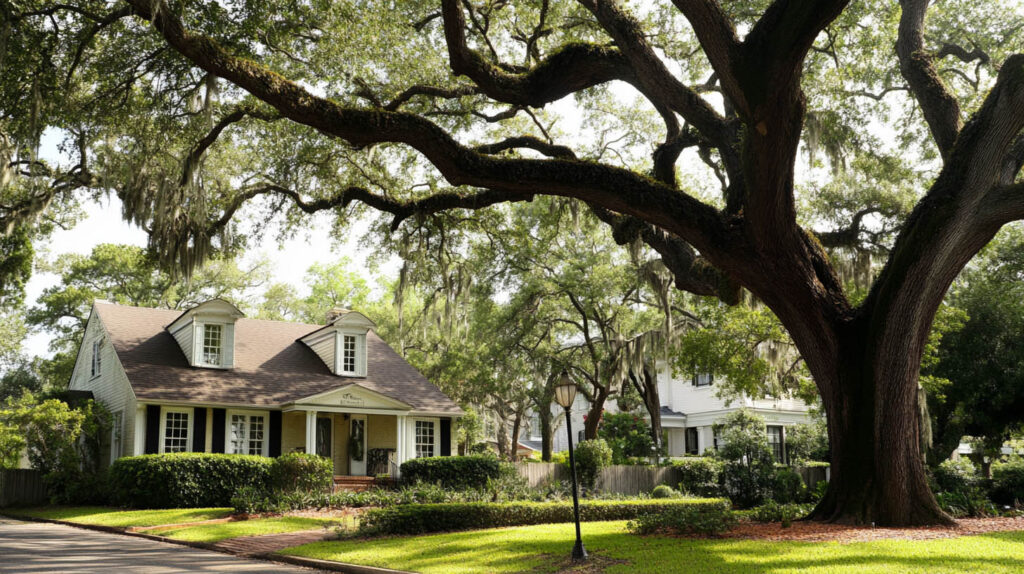
How Canopy Coverage Influences Roof Exposure
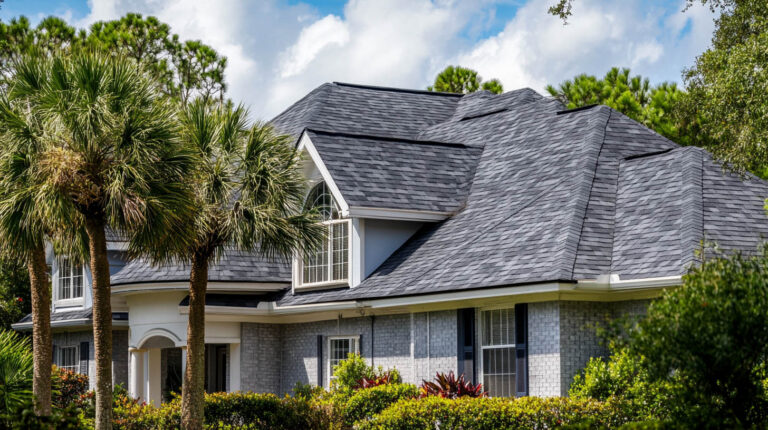
Canopy coverage from Jacksonville’s iconic live oaks significantly affects roof exposure to various environmental factors. This shade can reduce direct UV radiation, leading to slower deterioration of roofing materials like asphalt shingles and metal roofs. However, it also creates a microclimate where humidity levels rise, promoting algae growth and moss accumulation. Florida homeowners must balance the benefits of shaded roofs with the need for regular inspections. This proactive care is essential to prevent structural damage and extend the roof’s lifespan against potential weather-related stresses.
Common Roof Problems Caused by Live Oak Trees
When live oaks are close to your home, they can cause specific types of damage that lead to costly repairs. The most frequent issues stem from the debris they shed and the moist environment their shade creates.
From clogged gutters to algae growth that degrades your shingles, these problems can compromise your roof deck and structure. Next, we will look at these common issues in more detail.
Accumulation of Debris and Clogged Gutters
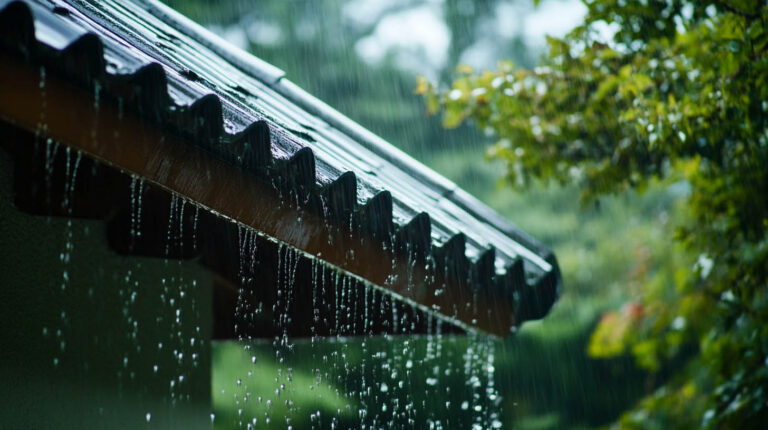
Debris accumulation is a significant concern for roofs beneath Jacksonville’s majestic live oaks. Fallen leaves, twigs, and acorns can obstruct gutters, leading to potential water pooling and subsequent structural damage. Clogged gutters prevent proper drainage, increasing humidity around the home’s foundation and heightening the risk of algae growth on roofing materials. Regular maintenance, including proactive clearing of gutters, is essential to ensure optimal roof performance and longevity. Homeowners should prioritize these tasks to mitigate costly repairs and extend their roof’s lifespan.
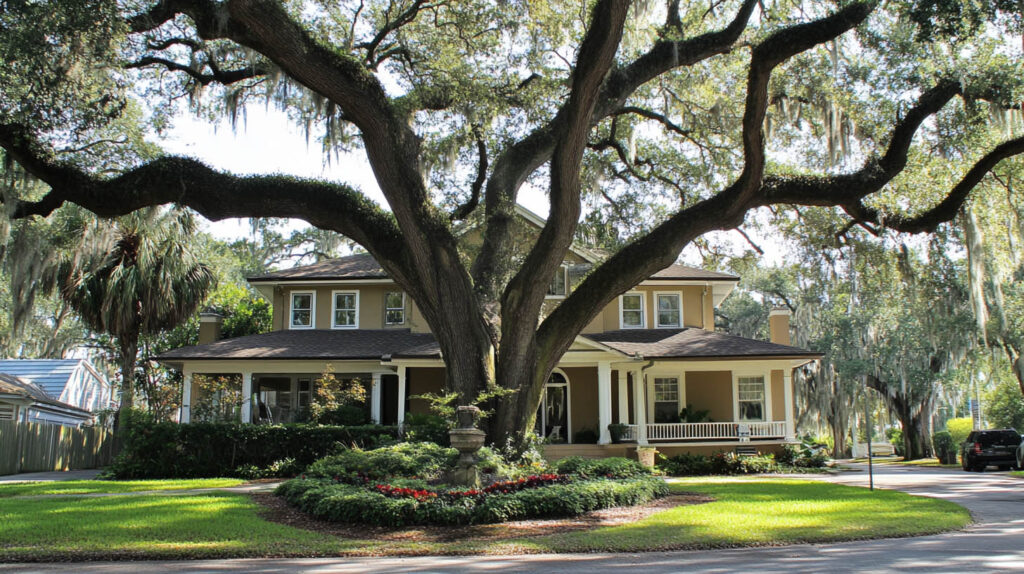
Increased Moisture and Moss
The proximity of Live Oaks contributes significantly to moisture retention on roofs, creating an ideal environment for moss and algae growth. This accumulation leads to soft spots and potential structural damage to roofing materials. In high humidity conditions typical of Florida, stagnant water under foliage can accelerate the decay of protective coatings. Regular inspections and proactive care are essential to mitigate these issues, ensuring that the roofing system remains in good condition and maintains its structural integrity against the elements.
Live Oak Shade & Roof Lifespan
While the shade from a live oak can feel like a relief from Florida’s sun, it has a complicated relationship with your roof’s lifespan. Reduced exposure to harsh UV rays can be a good thing, but it comes at a price.
The constant shade prevents your roof from drying properly, which introduces a new set of problems related to moisture. Let’s explore how this lack of sunlight directly affects your roofing materials and accelerates aging.
Effects of Reduced Sunlight on Roofing Materials
The canopy provided by Jacksonville’s live oaks significantly alters the exposure of roofing materials to sunlight, impacting their durability. Reduced UV radiation can lead to slower degradation of protective granules, but the trade-off is increased moisture retention. This environment facilitates the growth of algae and moss, which can contribute to structural issues over time. For Florida homeowners, understanding this balance is crucial. Proactive care, including regular inspections and the application of protective coatings, can enhance the longevity of their roofing systems.
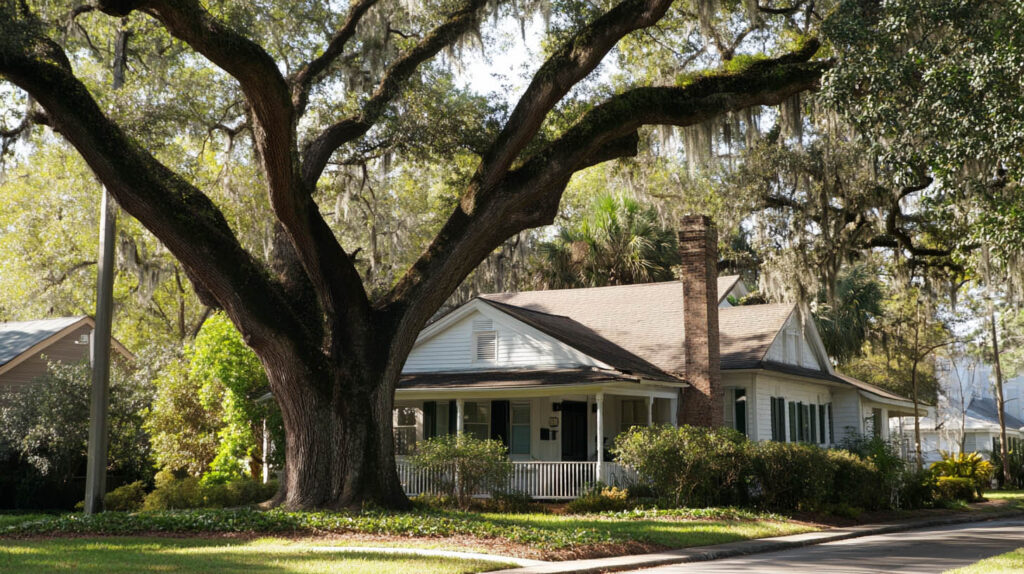
How Humidity and Shade Intensify Roof Aging
In Jacksonville, high humidity levels combined with the shade provided by live oaks create an environment that accelerates roof aging. The lack of direct sunlight fosters moisture retention, promoting the growth of algae and moss, which can compromise roofing materials. This consistent dampness, paired with daily temperature swings, can lead to structural integrity issues, resulting in significant damage to roofs. Regular maintenance, including professional inspections and protective coatings, becomes essential to mitigate these effects and extend the roof’s lifespan effectively.
Maintenance Tips for Protecting Roofs
As a homeowner in Riverside or Avondale, you can take steps to protect your roof from the effects of live oaks. With proactive care, you can minimize damage and avoid the need for an early roof replacement.
Simple leaf and branch management combined with regular professional inspections can make all the difference. These practices help you stay ahead of potential problems and keep your roof in great shape for years to come.
Best Practices for Leaf and Branch Management
Maintaining a clean environment around your roof is crucial for prolonging its lifespan, especially in areas surrounded by Jacksonville’s impressive live oaks. Regularly clearing leaves and branches helps prevent moisture accumulation, which can lead to significant damage like algae growth or minor leaks. Establishing a routine for this maintenance minimizes potential hazards. Additionally, installing root barriers can deter aggressive root systems from encroaching on your home’s foundation, ensuring the structural integrity of both your roof and overall property remains intact.
Advantages of Regular Roof Inspections
The best way to protect your roof is with regular inspections from a trusted professional. As a veteran-owned, local company and CertainTeed Select Shingle Master, Avenue Roofing knows what to look for.
Our team identifies early signs of leaks, algae, or moisture damage—especially those caused by live oaks—so you can address problems before they become costly. With our A+ BBB rating and work with top brands like CertainTeed and GAF, you get expert care and lasting protection for your roof.
Call Us 904-712-3494Contact Us Today
In conclusion, understanding how Jacksonville’s live oaks affect roofing is crucial for Riverside and Avondale homeowners. While beautiful, these trees can shorten your roof’s lifespan by increasing debris, moisture, and shade. Regular maintenance and inspections with Avenue Roofing help protect your investment. As a veteran-owned, local company, we deliver meticulous care on every project. For commercial roofing quotes, contact us today.
Frequently Asked Questions
What type of roof lasts the longest in Florida?
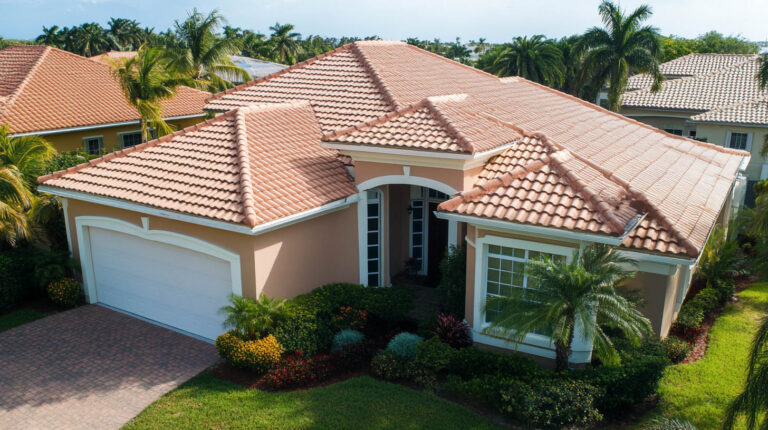
In Florida’s climate, metal roofing and tile roofs offer the greatest longevity. Metal roofs can last 40 to 60 years, while clay or concrete tile roofs can last over 50 years. These roofing materials are highly durable and stand up well to sun, humidity, and high winds.
Read our blog: Coastal Roofing Codes: Why Atlantic Beach & Ponte Vedra Require Different Materials
Ready for a free inspection?
Your Guide to A Roofing Education:
From inspection to perfection.
Get Started