

Blog
Post-Storm Roof Documentation Tips That Can Help With Insurance Approvals
After a storm hits Jacksonville, FL, dealing with roof damage can be a major source of stress for homeowners. The insurance claim process adds another layer of complexity and confusion, but you don’t have to navigate it alone. At Avenue Roofing, we understand exactly what your insurance company needs to see in order to process your claim efficiently. With our expert guidance, you can create thorough and detailed documentation that helps streamline your claim and ultimately leads to a successful outcome for your home and peace of mind.
Immediate Actions to Take After Storm Damage in Jacksonville, FL
When you discover storm damage to your home, prioritize your family’s safety first and foremost. Once you ensure that everyone is safe, begin the process of documenting the roof damage for your insurance claim. Following clear steps allows you to gather essential evidence without putting your safety at risk. This organized approach not only strengthens your claim but also makes discussions about necessary repairs much easier and more efficient. Here’s how to begin after a storm.
Contact UsPrioritizing Safety for Homeowners and Family Members
Your safety comes first after a storm. Before checking your roof, look for immediate hazards like downed power lines or unstable tree limbs. Never approach a downed wire—contact your utility company. From the ground, check your home for obvious structural damage. Do not climb onto the roof; it may be unstable and slippery. Leave close inspections to professionals—your well-being is more important than property. Once you’ve ensured the area is safe, consider your next steps. Taking these precautions protects your family and shows your insurance company you’re acting responsibly, setting a positive tone for your claim.
How Quickly to Begin Roof Damage Documentation for Insurance
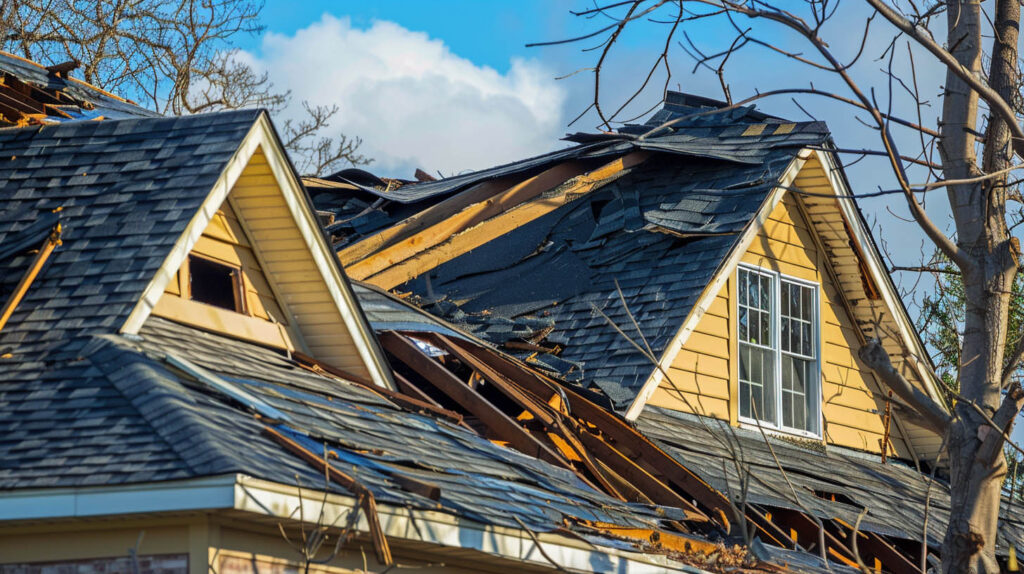
Begin documenting roof damage as soon as it’s safe. Quick documentation links the damage to the storm date, crucial for your insurance adjuster and simplifies your claim. Delaying can cause issues: more damage may occur, and insurers might question if all damage was from the storm. Immediate evidence gives a clear snapshot of the roof’s condition right after the event. Treat this documentation as a timestamped record—a baseline for your adjuster’s inspection. Fast, thorough records show you’re proactive and help avoid delays or disputes about when the damage occurred.
Steps to Secure Your Property Before Inspection
Securing your property early can prevent further damage and significantly improve your insurance claim outcome. Start by thoroughly inspecting the roof for missing shingles or any structural problems and meticulously document these issues. Cover exposed areas with tarps to effectively reduce water damage. Additionally, check the surrounding area for downed power lines and fallen branches, and clear pathways to ensure that roofing contractors can safely inspect the damage. Keep detailed records and photos of all repairs or temporary fixes to robustly support your insurance claim.
The Essentials of Roof Damage Documentation for Insurance Claims
Proper documentation is key to a successful insurance claim. When reporting roof damage, your insurer needs clear proof of the problem’s extent. Photos, videos, and notes serve as primary evidence for repairs or replacement—without them, your claim may be delayed or denied. Organized records streamline the claims process and help adjusters assess damage quickly, reducing requests for extra documents. Here’s how to create thorough records of storm damage.
Creating a Thorough Record: Photo and Video Tips
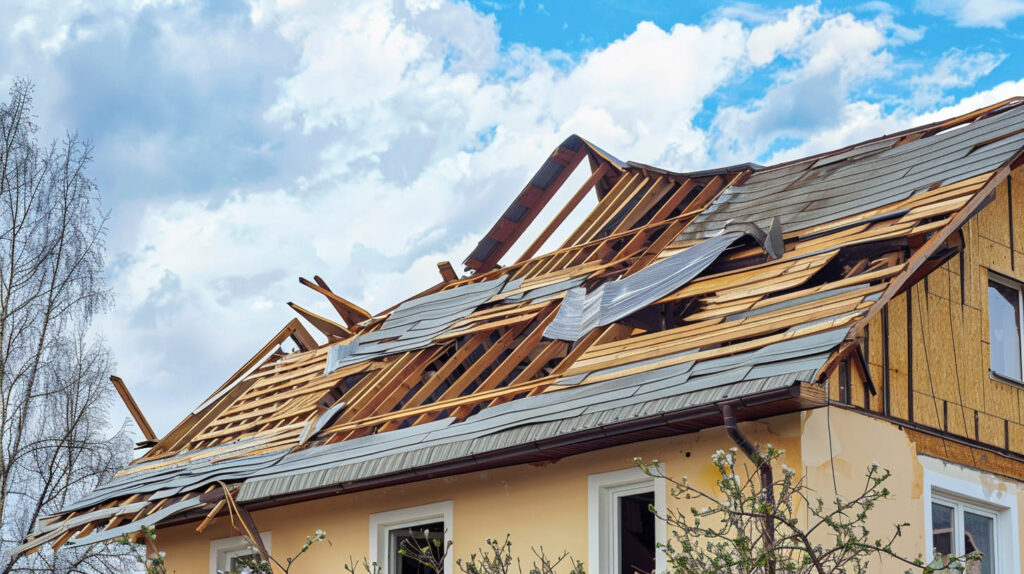
Capturing thorough photographic evidence after storm damage is essential for a successful insurance claim. Begin with wide shots of your roof to show the full area, then take clear photos of specific damage such as missing shingles or structural issues. Include close-ups of details like water stains on ceilings. Video documentation adds dynamic proof and highlights ongoing hazards. Supplement your visuals with detailed notes, including the storm date and relevant weather conditions. Comprehensive documentation helps insurance providers assess your claim accurately and quickly, resulting in a smoother process.
Using Your Smartphone to Capture Clear Evidence
Clear evidence of roof damage after a storm is crucial for your insurance claim. Use your smartphone to document the damage: start with wide shots for context, then close-ups of specific issues like missing shingles, leaks, or stains. Ensure photos are well-lit and focused on damaged areas. Record video for a complete overview, and add voice notes or annotations to highlight details. Mark the storm date in your records. Thorough documentation can speed up your claim and help secure repairs.
Writing Effective Roof Damage Reports for Insurers
After gathering your photos and notes, compile them into a clear, organized report for your insurance adjuster. A detailed, well-structured report makes it easier for the adjuster to assess the roof damage and can speed up your claim. Keep your report factual, concise, and backed by documentation. It serves as the official summary of the damage and repair needs. Next, we’ll cover what details to include and common mistakes to avoid to help ensure your claim is approved.
Details to Include in Post-Storm Documentation
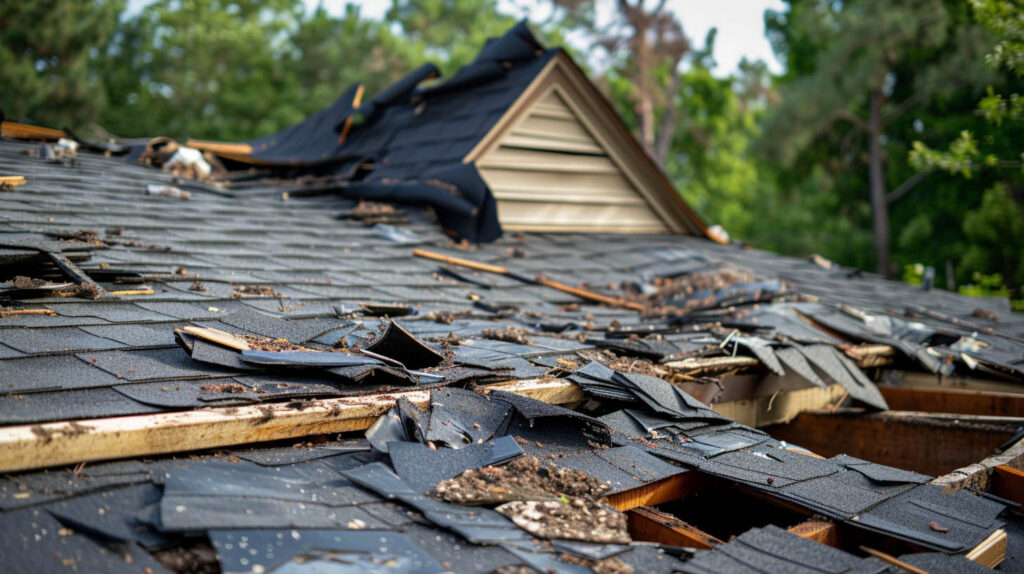
Thorough documentation is essential for a successful storm-related insurance claim. Start by taking clear photos of the damage, including wide shots of the entire roof and close-ups of missing shingles or structural issues. Record the storm date and any immediate repairs, as these details support your claim. Keep detailed notes on conversations with your roofing contractor and insurance adjuster to ensure agreement on estimates and coverage. Also, photograph any interior damage like water stains or leaks to further strengthen your claim. This comprehensive documentation improves communication with your insurer and streamlines the claims process.
Common Pitfalls That Delay or Deny Insurance Approval
Incomplete documentation often causes delays or denials in insurance claims. Missing clear photos of storm damage or thorough records makes your claim vulnerable. Insufficient notes or lacking maintenance history can raise concerns with adjusters and jeopardize approval. Not understanding your policy or omitting key details, like interior damage, complicates the process further. While a professional roof inspection adds helpful documentation, relying only on estimates without repair details can cause confusion. Diligence is crucial to avoid these common mistakes and improve your chances of claim approval.
Professional Inspection and Working With Us
While your own documentation is helpful, a professional roof inspection is essential. As certified roofers, Avenue Roofing can spot damage others might miss. Partnering with a trusted Jacksonville, FL roofing company ensures an accurate assessment and strengthens your insurance claim. With years of experience handling insurance claims, our team guides you through the entire process. We provide detailed reports and expert validation to support your case with your insurer. Here’s how our professional assessment can make a difference.
Value of Certified Roofer Assessment
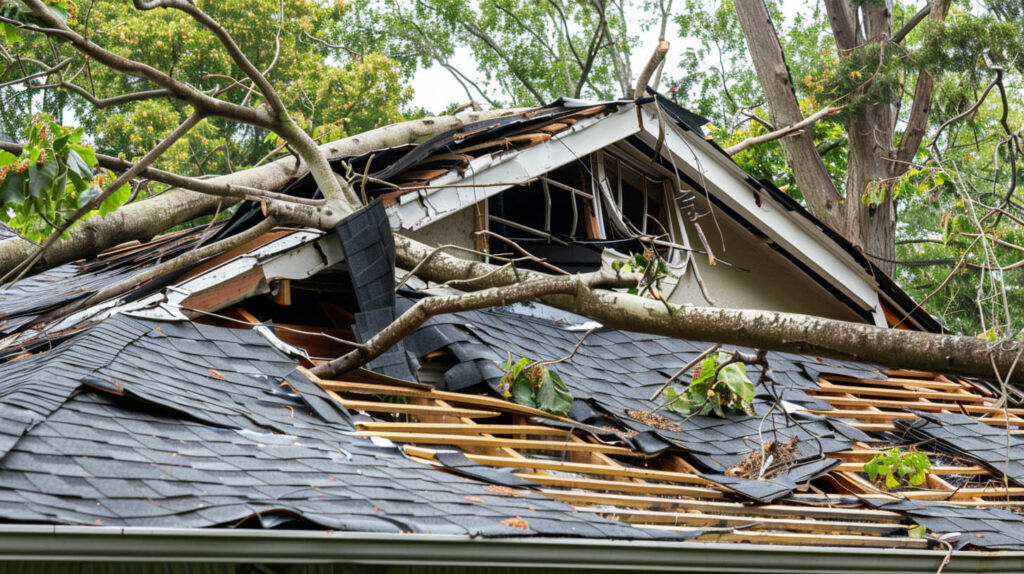
Getting a professional assessment before filing your insurance claim is smart. A certified roofer can identify hidden damage—like hairline cracks or compromised seals—that you might overlook. Our detailed inspection report provides a clear picture of the damage, serving as a benchmark for the insurance adjuster and helping ensure an accurate, fair evaluation. This maximizes your chance of getting the coverage you deserve. As a local Jacksonville roofing company, we understand common storm damage and know how to document it for insurance claims. Our expertise gives you an advantage in the claims process.
Benefits of Certified Contractor
Choosing a CertainTeed Select Shingle Master contractor offers key benefits, especially for insurance claims. This certification guarantees top-quality workmanship and reliable service, giving homeowners peace of mind and reducing future roof issues. A BBB A+ rating further shows strong communication and customer satisfaction. We also Google Guaranteed, which adds an additional layer of trust. These contractors provide thorough documentation to support insurance claims and deliver accurate estimates, making the process smoother and potentially leading to higher payouts for storm damage or roof replacement.
Preparing Documentation for Adjuster Visits
We compile all necessary documents—inspection reports, photos, and evidence—into a professional package to streamline the insurance adjuster’s visit. Our team can attend the meeting to highlight key findings and ensure your case is clearly presented. We advocate for you from the free inspection through final approval. Partnerships with brands like CertainTeed and GAF allow us to use top-quality materials and expertise in every assessment. Our goal is to manage technical details, provide expert support, and promote clear communication with your insurer for a fair, timely settlement.
Call Us 904-712-3494Connect With Us
In conclusion, documenting post-storm roof damage is absolutely essential for securing insurance approval effectively. By following these helpful tips and providing clear, detailed evidence of the damage, you can streamline the process and significantly strengthen your claim. At Avenue Roofing in Jacksonville, FL, our dedicated team—backed by CertainTeed Select Shingle Master certification and an A+ BBB rating—offers expert support at every stage of your roofing project. Contact us today for professional guidance and assistance with your roof inspection and documentation needs.
Read our blog: How Attic Insulation Works Together with Roofing to Reduce Florida Cooling Costs
Frequently Asked Questions
What types of roof photos help insurance claims most?
The most helpful photos for documenting roof damage include a mix of wide shots to show the entire roof and close-ups of specific issues like missing shingles or hail dents. Clear photos with good lighting provide your insurance company with undeniable proof, which helps streamline the claim process.
What can I do if my roof insurance claim is rejected?
If your insurance claim is rejected, it’s essential to first review the denial letter carefully to understand the specific reason for the rejection. After that, you can appeal the decision by providing additional documentation that supports your case. A qualified professional roofer can assist you in gathering all the necessary details to significantly strengthen your case and resubmit it effectively to your insurance provider.
Ready for a free inspection?
Your Guide to A Roofing Education:
From inspection to perfection.
Get Started