
Blog
The Role of Secondary Water Barriers in Florida Roofing Systems
Living in Florida means preparing your home for severe weather, especially after recent hurricanes. A crucial part of a resilient roofing system is the secondary water barrier, an enhancement recognized by the Florida Building Code. At Avenue Roofing, we understand that protecting your Jacksonville, FL home goes beyond just shingles. This added layer of defense is vital for safeguarding your property against heavy rain and high winds, ensuring your home remains safe and dry when it matters most.
Understanding Secondary Water Barriers in Florida Roofing
A secondary water barrier is a membrane applied to your roof decking beneath the main roofing material, serving as a backup against leaks. If shingles or tiles are damaged or blown off, it helps prevent costly repairs and water intrusion. Due to Florida’s weather, state building codes require these barriers. As a CertainTeed Select Shingle Master, we consider them essential for superior roof protection. They play a key role in keeping water from damaging your home’s structure. We’ll explain how they work and differ from other roofing layers.
Contact UsWhat Role Do Water Barriers Play in Jacksonville Roof Protection?
Your roof’s main defense is its outer layer, like shingles or tiles. In Jacksonville, storms and hurricanes can damage this layer, leaving your home exposed to water and interior damage. Water barriers, along with the primary covering, safeguard against this problem. They create a waterproof seal over the roof deck, blocking rain that slips past shingles from soaking into wood or entering your attic—a crucial protection during hours of hurricane wind and rain. By keeping water out, these barriers prevent mold, wood rot, and insulation damage. For Jacksonville homeowners, they offer real peace of mind against severe weather.
Primary vs. Secondary Water Barriers
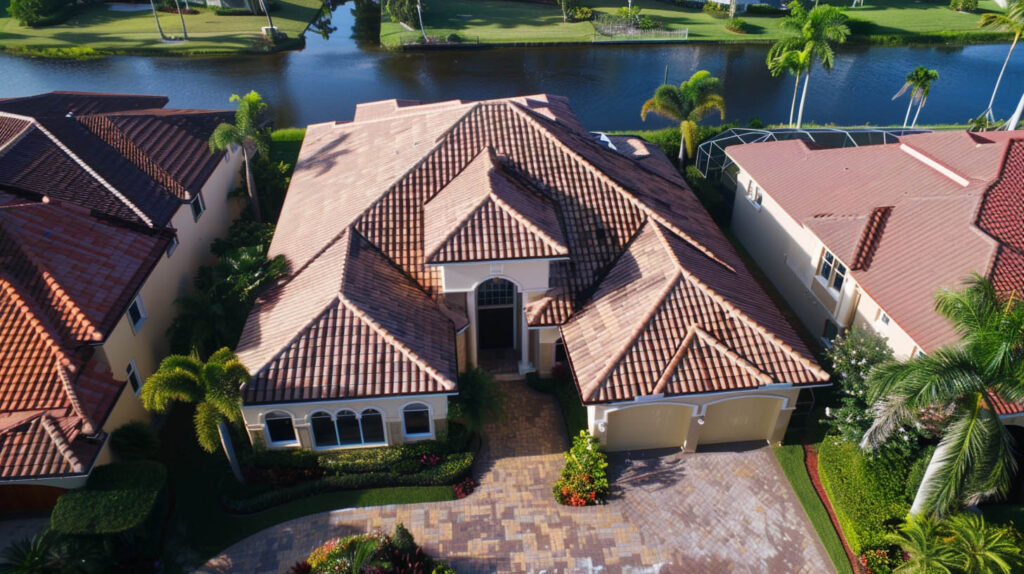
Understanding the difference between primary roof and secondary water barriers is essential for roofing, especially in hurricane-prone areas like Jacksonville. Primary barriers—such as shingles or metal roofing—are the first defense against water but can fail in severe weather, leading to costly damage. Secondary water barriers provide an extra watertight layer that acts as a backup system. They protect the roof’s structure if the primary roof barrier is breached, reducing the risk of water damage and meeting Florida’s building codes for added peace of mind.
Types of Secondary Water Barriers
When choosing a secondary water-resistant layer for your Florida home, you have several options that must comply with local building codes. The best choice depends on your roof type, budget, and desired protection level—not all underlayments offer the same defense against water intrusion. At Avenue Roofing, we guide you through the different SWR types to find the right fit. The most common options are self-adhering membranes and specialized foam adhesives, each with its own installation process and benefits, including proper documentation for insurance purposes. We’ll help you make an informed decision for your home.
Popular Materials and Installation Methods
In Jacksonville, various materials and installation methods are used for secondary water barriers to strengthen roofing systems against water penetration. Bitumen membranes are popular for their watertight seal and durability, while some homeowners choose cost-effective polyethylene sheets for added protection. Installation involves applying these barriers over the underlayment and following Florida’s Building Code (FBC) requirements. Local roofers stress proper seam sealing and overlap techniques to prevent leaks. These practices reinforce the roof, improve structural integrity, extend lifespan, and give homeowners greater peace of mind.

How Secondary Barriers Work
Your roofing system consists of layers that work together to protect your home. Shingles are the outer layer, shielding against rain, wind, and sun. Beneath them is the underlayment, offering initial moisture protection as the first line of defense. Plywood secondary water barriers are installed before the underlayment. Unlike water-resistant underlayment, these barriers are fully waterproof and seal directly to the roof deck, providing a stronger backup defense. This layered design ensures complete protection. If high winds damage shingles or tear the underlayment, the secondary water barrier remains intact, keeping water out and safeguarding your home’s structure from leaks.
Key Benefits of Using Secondary Water Barriers
Installing a secondary water barrier adds crucial protection to your roof, safeguarding your home and finances. It’s a smart investment to prevent costly water damage before it occurs. This upgrade offers peace of mind during Florida’s storm season, improving storm resilience, extending your roof’s lifespan, and potentially providing financial benefits, including insurance discounts, by lowering energy costs. Let’s explore how this feature strengthens your home and can lower your expenses.
Longer Roof Lifespan and Lower Insurance Costs
Adding secondary water barriers to your roof extends its lifespan by protecting against water intrusion and severe weather. This extra layer strengthens the structure, helps prevent mold and damage, and reduces long-term maintenance costs. Many insurance companies offer significant discounts on insurance premiums for these upgrades, providing peace of mind and financial savings—especially in Florida’s challenging climate. Our commitment to quality has earned us an A+ BBB rating and the Google Guaranteed badge, assuring you of our reliability in roofing solutions.
Connect With Us
In conclusion, secondary water barriers are crucial for roofing systems in Jacksonville, Florida, especially when considering roof replacement. They offer extra protection against storms and hurricanes, keeping your home safe and dry. Installing these barriers can extend your roof’s lifespan and may lower insurance costs, including potential insurance premium discounts. As a Veteran Owned company with extensive roofing expertise in Jacksonville, FL, we use only high-quality materials from trusted partners like CertainTeed and GAF. Contact us today to see how we can improve your roof with expert care and precision.
Read our blog: How Salt Air and Coastal Moisture Accelerate Roof Wear in Northeast Florida
Frequently Asked Questions
Is a secondary water barrier required by Florida building codes?
The Florida Building Code has specific requirements for SWR, particularly during reroofing projects in high-wind regions. While not mandatory for every new roof, it is a highly recommended upgrade for all Florida homeowners to ensure maximum protection and meet modern resilience standards, along with the necessary roofing contract paperwork involved.
Are there special installation steps for Florida’s climate?
Yes, the installation process in Florida must account for our high humidity and intense sun, as mandated by the Florida Building Commission. Special steps include ensuring the roof surface is completely dry before applying the installation of a secondary water barrier and meticulously sealing all seams. As local experts, we perform every installation with precision to guarantee a durable, watertight bond.
Ready for a free inspection?
Your Guide to A Roofing Education:
From inspection to perfection.
Get Started