
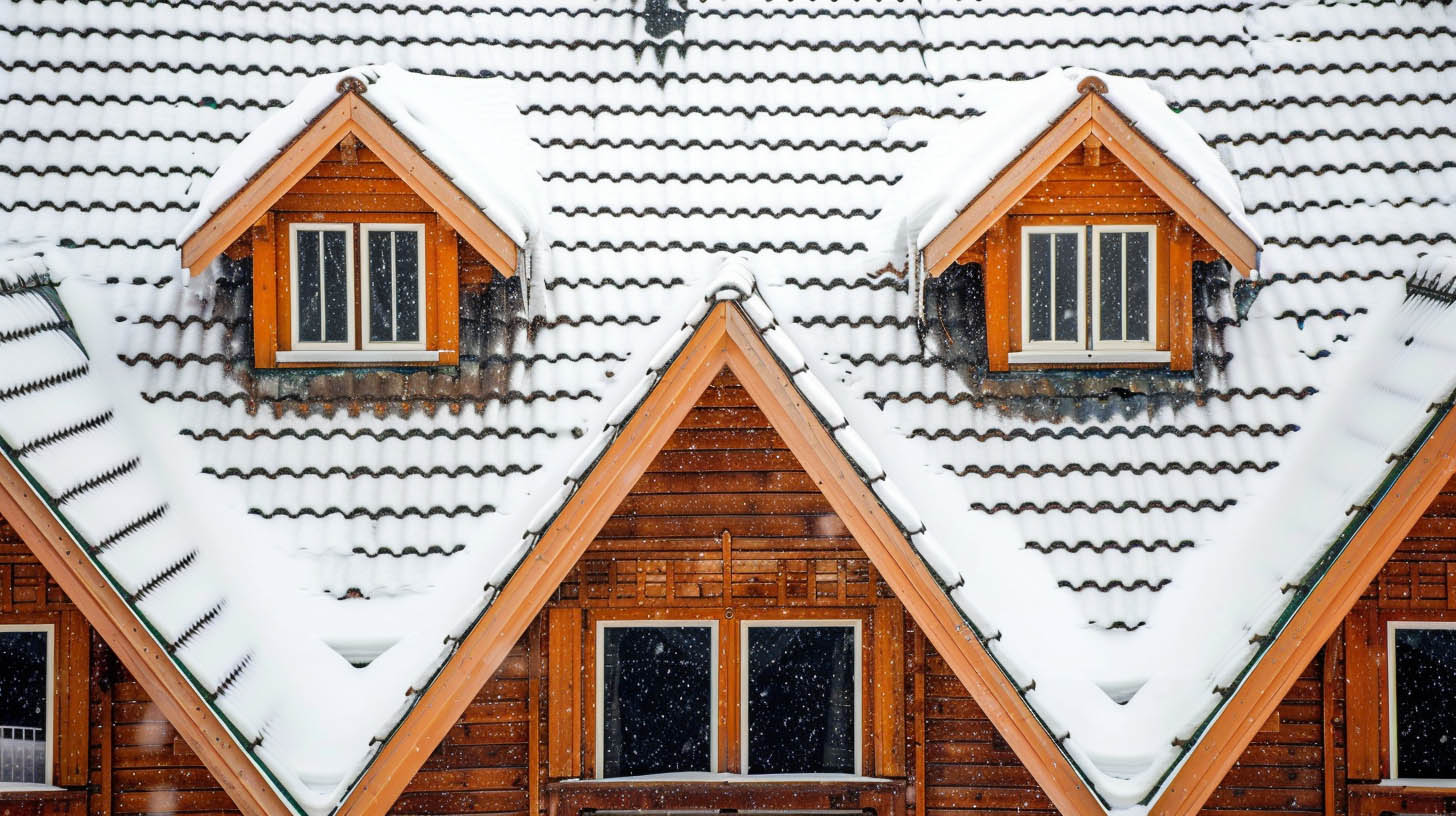
Blog
How Attic Insulation Works Together with Roofing to Reduce Florida Cooling Costs
As a Florida homeowner, you understand the battle against high cooling costs. The intense sun and humidity put a constant strain on your air conditioner, driving up energy bills. What if the solution is right above your head? At Avenue Roofing, we know that combining proper attic insulation with a high-performance roofing system is the key to achieving significant energy savings while considering the total cost and enhancing your home’s comfort in Florida’s climate.
The Science Behind Attic Insulation and Roofing in Florida Homes
Your home’s cooling relies on controlling the flow of heat transfer. The roof blocks solar heat, while attic insulation prevents it from entering your living space. Together, they protect against the Florida sun. A strong roof lowers heat entry, and good insulation stops any remaining heat. This keeps your home cooler, reduces HVAC strain, and lowers energy costs. Next, we’ll explore how heat moves and why it matters to you.
Contact UsHow Heat Moves Through Your Roof and Attic
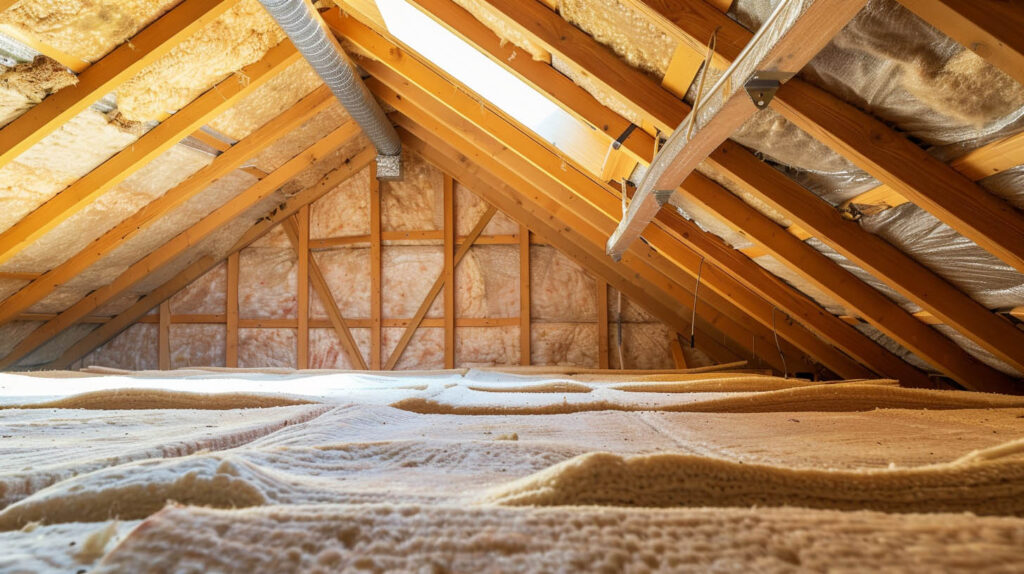
Heat transfer greatly affects your home’s temperature. In Florida, intense sunlight heats your roof, causing it to absorb significant thermal energy—this is known as heat gain. As your roof warms up, it radiates heat into the attic, making it extremely hot without proper insulation material. This trapped heat builds above your ceilings and eventually seeps into your living space, forcing your air conditioner to work harder and raising energy costs. Managing this heat flow is crucial for comfort and efficiency.
The Cooling Challenge for Jacksonville, FL Homeowners
Jacksonville’s intense sun and humidity make it incredibly tough for homeowners to stay cool during the sweltering months. The constant heat strains your home’s thermal envelope, forcing your air conditioner to run nonstop, which can be quite exhausting. Poor attic insulation or ventilation means your HVAC system works overtime, leading to higher energy bills and lower energy bills due to inefficiency, and faster wear and tear on the equipment. If your roof and attic aren’t collaborating efficiently, you’re likely overpaying for cooling expenses. Improving insulation and ventilation is one of the most effective ways to significantly cut monthly energy costs.
Types of Attic Insulation Best Suited for Florida’s Climate
Choosing the right insulation is essential for Florida’s hot, humid climate. It directly affects indoor comfort, energy efficiency, and cooling costs. Selecting the right material for your needs is crucial, and we’ll help you select the best option for your home. In our region, fiberglass and spray foam are the top choices, each with unique benefits in performance, cost, and moisture resistance. Understanding these options ensures a smart, long-term investment. Here’s a closer look at each type and its advantages.
Fiberglass Batt Insulation for Florida Attics
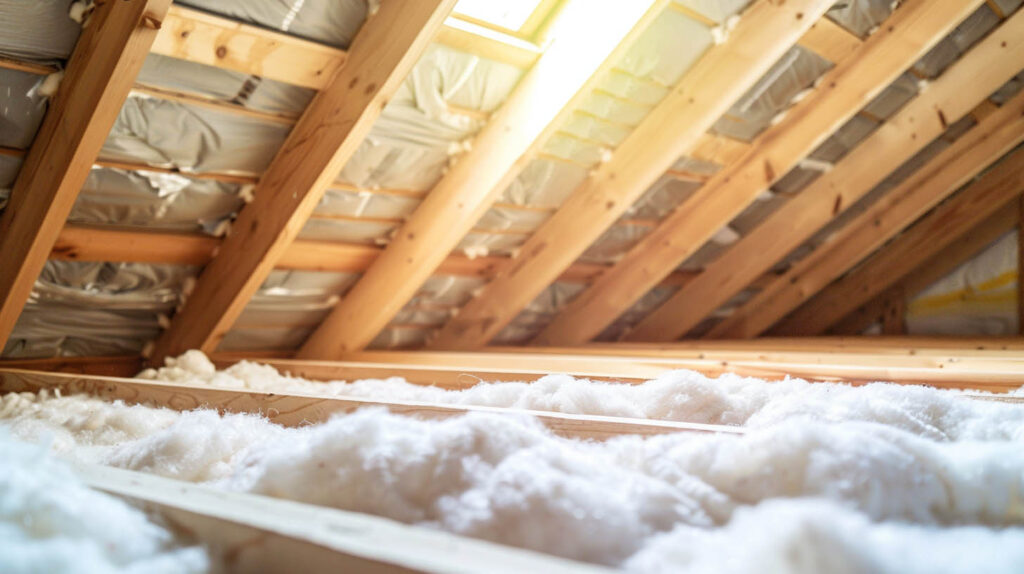
Fiberglass batt insulation is an effective choice for Florida attics, offering strong thermal resistance that combats heat and humidity. It reduces air infiltration, keeps indoor temperatures comfortable, and lowers energy bills by minimizing HVAC use. Installation is straightforward and meets Florida building codes. Properly installed fiberglass batts, along with cellulose insulation, also improve indoor air quality by preventing moisture damage and allowing attic ventilation. They work well with various roofing materials, including metal roofs in humid coastal areas. Overall, choosing the right fiberglass insulation boosts energy savings and long-term home comfort.
Spray Foam Insulation: Air Sealing and Cooling Benefits
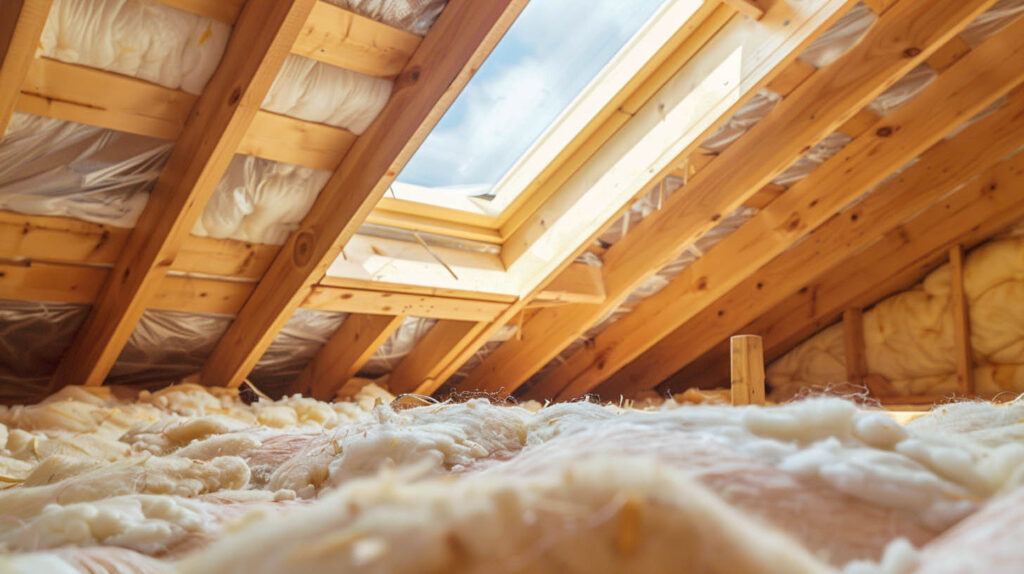
Spray foam insulation is an excellent choice for Jacksonville, FL homeowners looking to boost energy efficiency. It seals air leaks, reducing the exchange of hot, humid air and lowering cooling costs by easing the load on HVAC systems. With strong thermal resistance, spray foam provides the best insulation, limiting heat transfer through roofs—especially valuable in coastal areas with high humidity. It also improves indoor air quality and helps prevent moisture damage, offering lasting comfort and savings.
Evaluating R-Value and Insulation Thickness
Choosing the right R-value is key to effective attic insulation in Florida’s humid climate. R-value measures thermal resistance—higher values mean better insulation, lower cooling costs, and greater comfort. Combining materials like fiberglass batts or spray foam often boosts energy efficiency tailored to your home’s specific needs. Insulation thickness is also important, as it directly affects thermal resistance. It should meet Florida building codes for compliance and moisture control. Matching insulation thickness to the local climate helps ensure proper air sealing, reduces heat gain, saves energy, and keeps your home comfortable.
Key Roofing Upgrades to Help Insulation Lower Cooling Bills
While attic insulation is vital, your roofing system plays an equally important role in reducing your energy bills. The right roofing upgrades can significantly decrease the amount of heat your attic has to handle, making your insulation more effective. As a veteran-owned company, we provide meticulous care in every project, and we offer a free estimate for your roofing upgrades. By enhancing your roof’s ability to manage heat, you can create a more efficient home. Key upgrades like reflective shingles and improved roof ventilation work hand-in-hand with insulation to deliver maximum cooling savings. We will now explore how these upgrades can benefit your Jacksonville home.
Reflective Roofing Shingles from Leading Brands
Reflective roofing shingles and metal roofing are an effective solution for reducing heat gain in Florida’s humid climate. These shingles use reflective technology to lower attic temperatures and cooling costs. Top brands offer options that boost energy efficiency and thermal resistance. Installing reflective shingles can significantly reduce air conditioning needs, lowering energy bills and keeping homes comfortable. Combined with proper ventilation, they also help prevent moisture damage and mold growth, improving indoor air quality. When paired with good insulation, reflective shingles maximize energy savings and comfort.
Impact of Roof Ventilation Systems
Effective roof ventilation, including ridge vents, is essential for reducing heat gain in humid climates like Florida. By promoting airflow through attic spaces, ventilation regulates temperatures and prevents moisture buildup, protecting insulation and reducing the risk of mold and structural damage. Combining ridge vents and soffit vents allows hot air to escape and cool air to enter, maintaining balanced airflow. This improves energy efficiency, lowers cooling costs, and keeps homes comfortable during Florida’s hot summers. Proper ventilation and insulation together deliver significant energy savings.
Benefits of Solar Attic Fans in Florida Properties
Solar attic fans boost energy efficiency for Jacksonville, FL homes by using solar power to lower attic temperatures and reduce heat gain. This lessens the load on HVAC systems and prevents moisture buildup, which can cause mold and structural issues. By improving ventilation, solar attic fans work alongside a type of insulation to expel hot air and maintain steady airflow. This enhances indoor comfort and cuts energy costs—especially important in Florida’s humid climate. Overall, solar attic fans support eco-friendly living while maximizing the performance of your insulation and roofing.
Signs Your Attic Insulation and Roofing Need Improvement
How can you tell if your home’s defenses against the heat are failing? There are several clear signs that your attic insulation and roofing system are not working together effectively. Paying attention to these indicators can help you address problems before they lead to major installation costs, expenses or discomfort. From high energy bills and temperature fluctuations to visible wear on your roof, the warning signs are often easy to spot. If you notice any of these issues, it may be time for a professional inspection. Let’s examine some of the most common signs that your system needs an upgrade.
Temperature Fluctuations and High Energy Bills
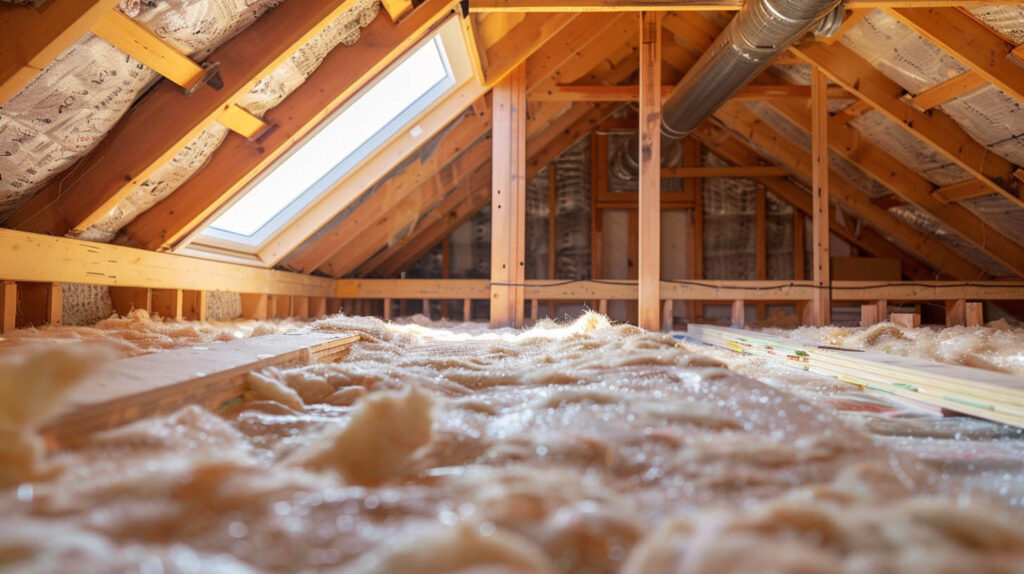
Frequent temperature swings at home often signal poor attic insulation or ventilation. In Florida’s humid climate, inadequate insulation, especially old insulation, allows heat to penetrate living spaces, driving up HVAC use and energy bills. Aging insulation worsens the problem, so homeowners should routinely check for wear or moisture damage. Upgrading to options like spray foam or radiant barriers, along with proper air sealing, improves energy efficiency and keeps indoor temperatures stable—ultimately lowering energy costs.
Visible Wear or Damage in Roofing Materials
Visible wear or damage to your roof may indicate issues with attic insulation. Deterioration can cause air leaks, higher energy bills, and reduced comfort. Roof leaks and moisture can lead to structural damage, mold, and poor air quality. Watch for curling shingles or exposed underlayment as signs of heat loss and poor ventilation. In humid climates like Florida, even minor damage affects energy efficiency. Proper insulation and a solid roof lower cooling costs and keep your home comfortable year-round. If you’re unsure about your insulation needs, schedule a free consultation for expert advice.
Uneven Cooling Across Different Rooms
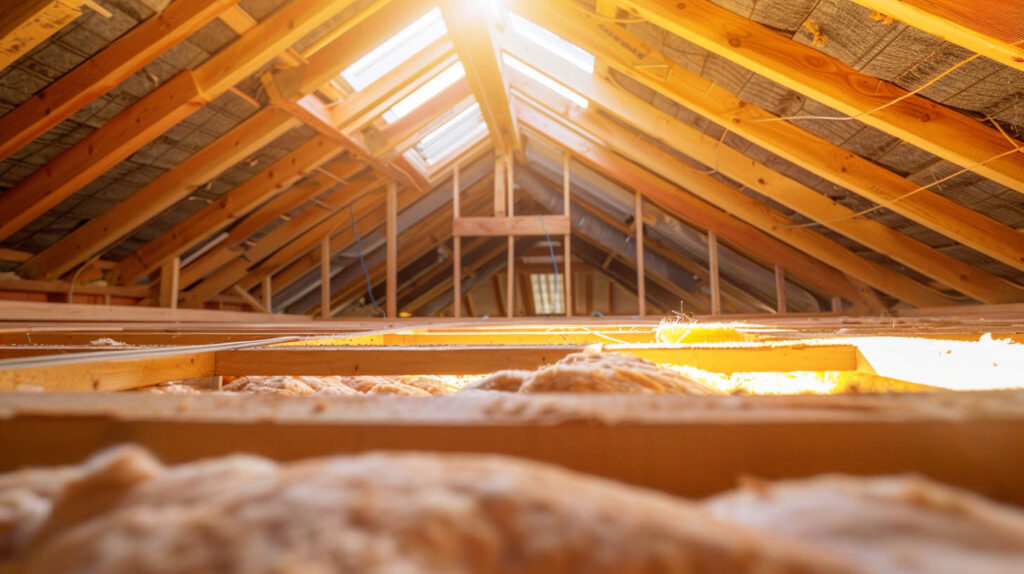
Uneven indoor comfort is a common issue faced by many Florida homes due to inconsistent cooling, which is often caused by poor attic insulation or inadequate ventilation. Heat easily enters through the roof, making various rooms warmer and placing additional strain on HVAC systems. Unsealed air leaks and inadequate insulation not only raise energy bills significantly but also create uncomfortable temperature imbalances throughout the home. Our strong partnerships with CertainTeed and GAF allow us to provide top-quality insulation and roofing solutions that enhance comfort, boost energy efficiency, and improve overall home performance for our valued customers.
Call Us 904-712-3494Get in Touch
Effective attic insulation and a quality roofing system are key for Florida homeowners to lower cooling costs. These features reduce heat transfer and boost energy efficiency, ensuring comfort even in Jacksonville’s intense heat, where unique challenges exist. As a Veteran-owned company with CertainTeed Select Shingle Master certification and an A+ BBB rating, we at Avenue Roofing deliver expert solutions tailored to Florida’s climate. Contact us today for a consultation and start saving on energy bills.
Read our blog: The Role of Secondary Water Barriers in Florida Roofing Systems
Frequently Asked Questions
What is the code for attic insulation in Florida?
The Florida Building Code generally requires attic insulation to have an R-value between R-30 and R-38. At Avenue Roofing, we ensure every new insulation installation meets or exceeds local code compliance, providing optimal thermal resistance and ensuring your home is as energy-efficient as possible.
Is attic insulation worth it in Florida?
Yes, attic insulation is one of the most valuable investments for a Florida home. Due to our intense climate, proper insulation has a significant impact on lowering high cooling costs, improving indoor comfort, and reducing the workload on your HVAC system. It pays for itself in energy savings.
Ready for a free inspection?
Your Guide to A Roofing Education:
From inspection to perfection.
Get Started