
Blog
Coastal Roofing Codes: Why Atlantic Beach & Ponte Vedra Require Different Materials
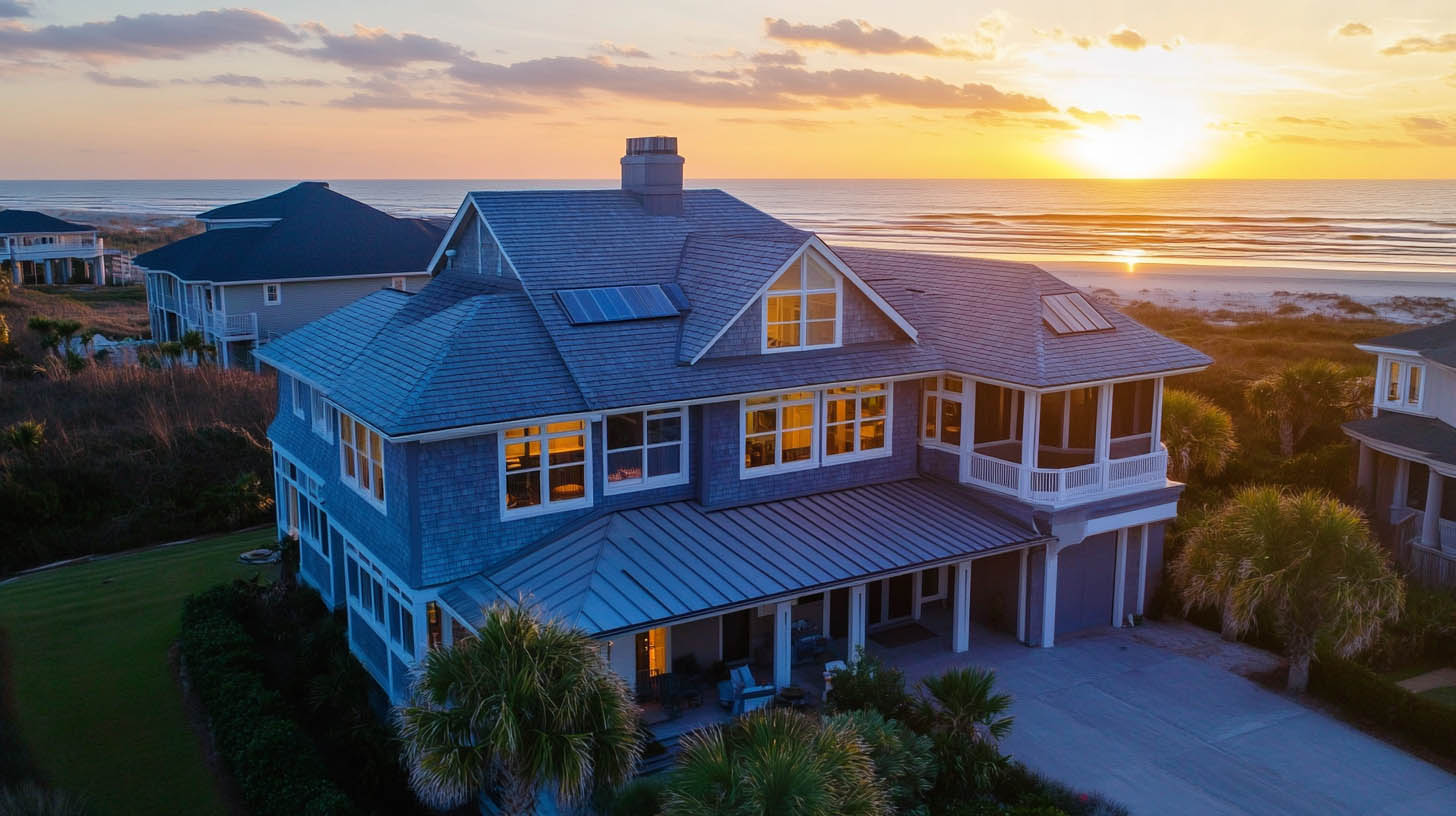
Living on the coast means your roof is your home’s first line of defense. At Avenue Roofing, we understand that in Northeast Florida, communities like Atlantic Beach and Ponte Vedra have specific building codes designed to protect properties from severe weather. Our team is well-versed in these local interpretations of the Florida Building Code, making it crucial for any roofing project we undertake. This guide will explain why these differences exist and how they affect your material choices, ensuring your new roof is both safe and compliant with our expert installation.
Understanding Florida’s Coastal Roofing Regulations
Coastal roofing regulations in Florida emphasize the need for resilience against environmental pressures specific to the state. These regulations align with the international building code while accounting for unique local variations stemming from nearby coastal areas. Proper installation instructions must be adhered to, particularly regarding wind uplift resistance and salt air corrosion management. Homeowners must be aware of product approvals and the final inspection requirements based on their jurisdiction. Navigating through these codes ensures that roofing projects maintain structural integrity and provide long-lasting protection against storm damage.
Contact UsOverview of Statewide Roofing Codes for Coastal Regions
Statewide roofing codes in Florida establish essential guidelines to ensure residential and commercial structures can withstand the unique environmental challenges posed by coastal regions. These regulations, informed by the international building code, address factors such as wind load requirements, impact resistance, and proper installation techniques. Florida homeowners must navigate local building department stipulations, including product approvals for materials like asphalt shingles and metal roofs, all designed to enhance structural integrity and achieve energy efficiency while ensuring compliance with rigorous inspection requirements.
Special Provisions for Atlantic Beach and Ponte Vedra
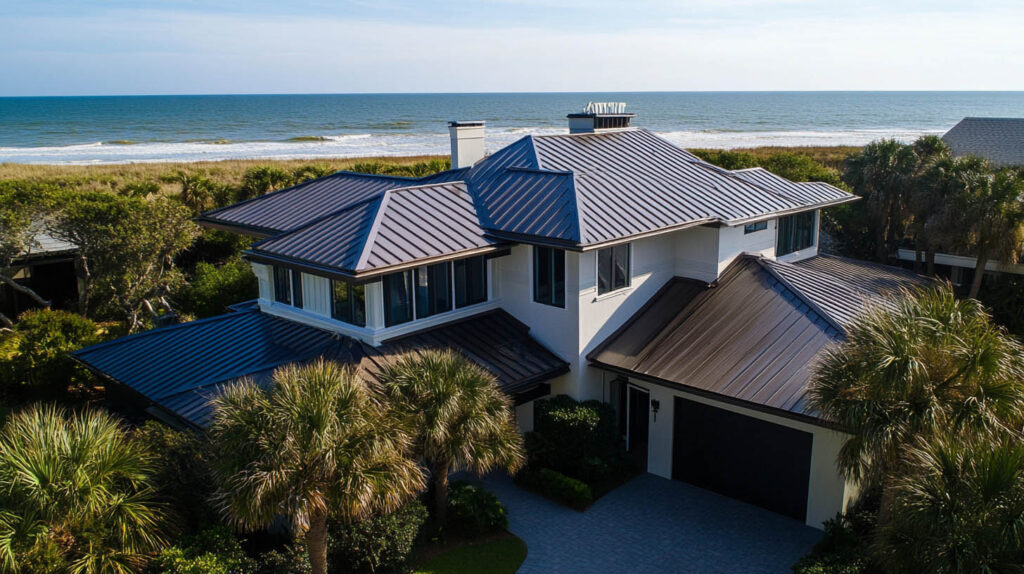
Distinct regulations govern roofing materials and installation in both Atlantic Beach and Ponte Vedra, reflecting each area’s unique exposure to environmental challenges. For Atlantic Beach, code requirements emphasize resilience against heavy rain and wind uplift, necessitating robust asphalt shingles and installation techniques, such as the use of stainless steel fasteners. In contrast, Ponte Vedra’s regulations prioritize impact-resistant materials like metal roofing to combat salt air corrosion and ensure structural integrity against hurricanes, aligning with the needs of homeowners in high-velocity hurricane zones.
Why Code Differences Exist Along the First Coast
Variations in coastal roofing codes along the First Coast emerge primarily due to distinct environmental conditions and local jurisdiction mandates. Each region faces unique challenges, such as differing wind load calculations influenced by strong winds and hurricane season impacts, necessitating tailored code requirements. Furthermore, local building authorities implement regulations based on community needs and existing infrastructure, including the structural integrity of old roofs and the resilience of new construction materials against salt air corrosion. These factors combine to shape the roofing landscape across Atlantic Beach and Ponte Vedra.
Environmental Forces Shaping Regional Codes
Coastal regions face unique environmental challenges that shape roofing codes significantly. High winds and hurricane threats necessitate stringent wind load requirements and comprehensive wind uplift resistance evaluations. In areas like Atlantic Beach and Ponte Vedra, local building departments emphasize materials capable of withstanding severe environmental forces. The integration of proper installation techniques, such as using stainless steel fasteners and developing a sealed roof deck, mitigates risks of water intrusion and storm damage. Adhering to these codes ensures the structural integrity and safety of homes in coastal zones.
Local Building Authority Requirements
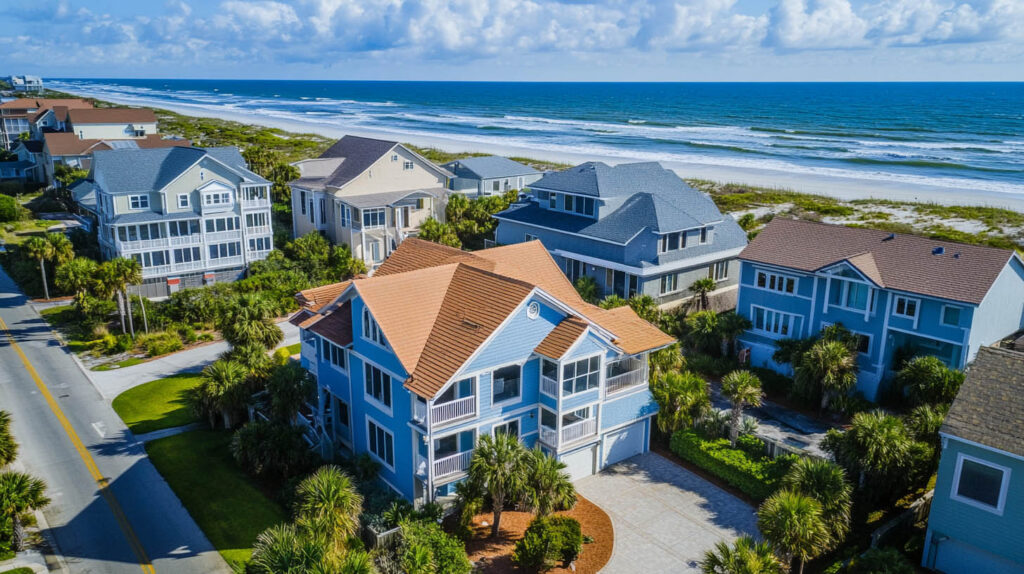
Local building authorities in Duval and St. Johns Counties enforce specific requirements aimed at enhancing structural integrity and safety for coastal properties. Compliance with the Florida Building Code is essential, emphasizing installation instructions that cater to high wind uplift resistance and unique environmental challenges. To ensure homeowners have peace of mind, local jurisdictions mandate robust materials and techniques, such as energy-efficient roofing systems and storm-resistant features. Adhering to these regulations not only fulfills legal obligations but also protects investments against potential storm damage.
Assessing Climate Impacts on Roofing Material Choices
Climate significantly influences roofing material choices, especially in coastal regions like Atlantic Beach and Ponte Vedra. The area’s vulnerability to salt air corrosion and extreme weather conditions, including heavy rain and high winds, necessitates using materials with enhanced durability and wind uplift resistance. Selecting roofing materials that adhere to the Florida Building Code and local building regulations ensures better performance against potential storm damage. The right choice can provide peace of mind, safeguarding structures against water intrusion and promoting long-term structural integrity.
Salt Air, Humidity, and Wind Concerns in Atlantic Beach
Salt air, coupled with high humidity levels, poses significant challenges to roofing materials in Atlantic Beach. The corrosive nature of salt can accelerate wear and tear, necessitating the use of materials with enhanced resistance to salt air corrosion. Additionally, the local building department emphasizes wind resistance in design, given the area’s high winds during hurricane season. Proper installation techniques, including stainless steel fasteners and a secondary water barrier, ensure that roofs can withstand both moisture and wind uplift, safeguarding the structural integrity of homes.
Rainfall Patterns and Storm Impact in Ponte Vedra
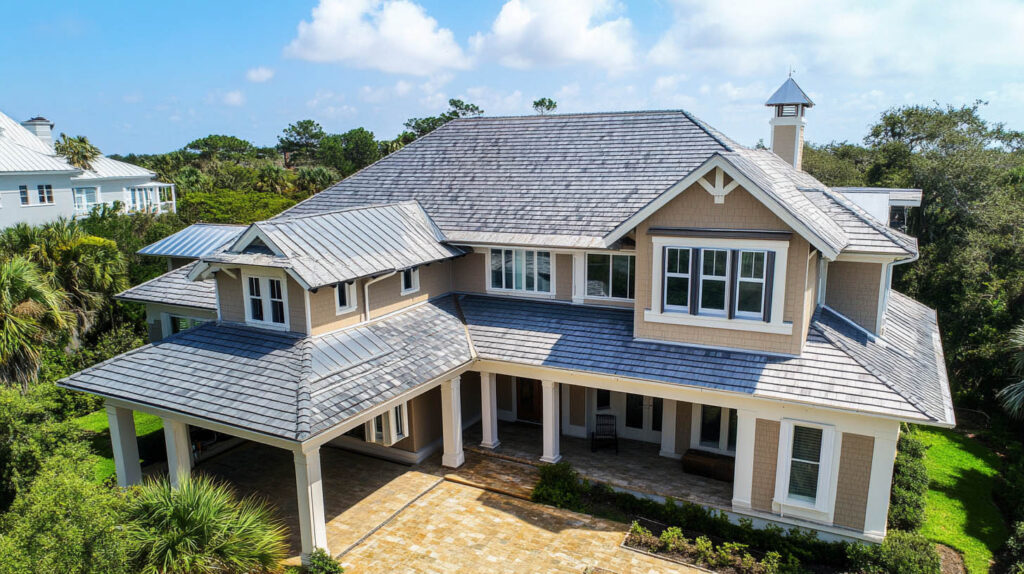
Understanding the unique rainfall patterns in Ponte Vedra provides crucial insights into storm impact and roofing resilience. This region experiences significant precipitation, particularly during hurricane season, resulting in potential water intrusion and damage to structures. Roof coverings must be designed with proper installation methods to withstand heavy rain and strong winds, ensuring structural integrity. Local building department codes emphasize the importance of selected materials, like impact-resistant roofing options, which mitigate storm-related damage and enhance the energy efficiency of homes while offering peace of mind for Florida homeowners.
Florida Roofing Code Updates Affecting Coastal Homeowners
Significant updates to the Florida roofing code focus on improving the resilience of structures in coastal areas. Homeowners must now adhere to stricter wind load requirements, ensuring their roofs can withstand high winds and heavy rain. The introduction of new installation instructions and product approvalsfor specific roofing materials aims to enhance energy efficiency and reduce the risk of water damage. Compliance with these updates not only protects the structural integrity of homes but also provides peace of mind to Florida homeowners living in hurricane-prone regions.
Recent Changes Influencing Material Selection
New advancements in roofing technology and updated Florida Building Code provisions have influenced material selection for coastal areas. Manufacturers are now producing high-performance materials that enhance structural integrity and wind resistance, catering specifically to hurricane-prone environments. Additionally, increased awareness of salt air corrosion has led to the adoption of materials with better durability, such as impact-resistant metal roofing and high-quality asphalt shingles. These changes ensure compliance with local building codes while providing peace of mind to homeowners facing the unique challenges of coastal living.
The 25% Rule Explained for Repairs and Replacements
Understanding the 25% Rule is vital for homeowners in Florida’s coastal areas, particularly when managing roofing repairs and replacements. This regulation stipulates that if repairs exceed 25% of the existing roof covering, a full replacement is mandated to meet current code requirements. This rule not only helps ensure structural integrity but also maintains compliance with local building department regulations. For roofing projects, adhering to the 25% Rule guarantees that materials and installation methods align with Florida’s stringent wind load requirements and inspection standards.
Comparing Approved Roofing Materials for Atlantic Beach and Ponte Vedra
Different roofing materials have been vetted for their performance under Florida’s stringent coastal codes, particularly for communities like Atlantic Beach and Ponte Vedra. High-performance asphalt shingles are favored in Atlantic Beach for their wind uplift resistance and ability to withstand the region’s strong winds and heavy rains. On the other hand, Ponte Vedra leans towards impact-resistant metal roofing options due to their durability against salt air corrosion and structural integrity, ensuring better protection and compliance with local building regulations for homeowners in these unique geographical areas.
High-Performance Asphalt Shingles for Atlantic Beach
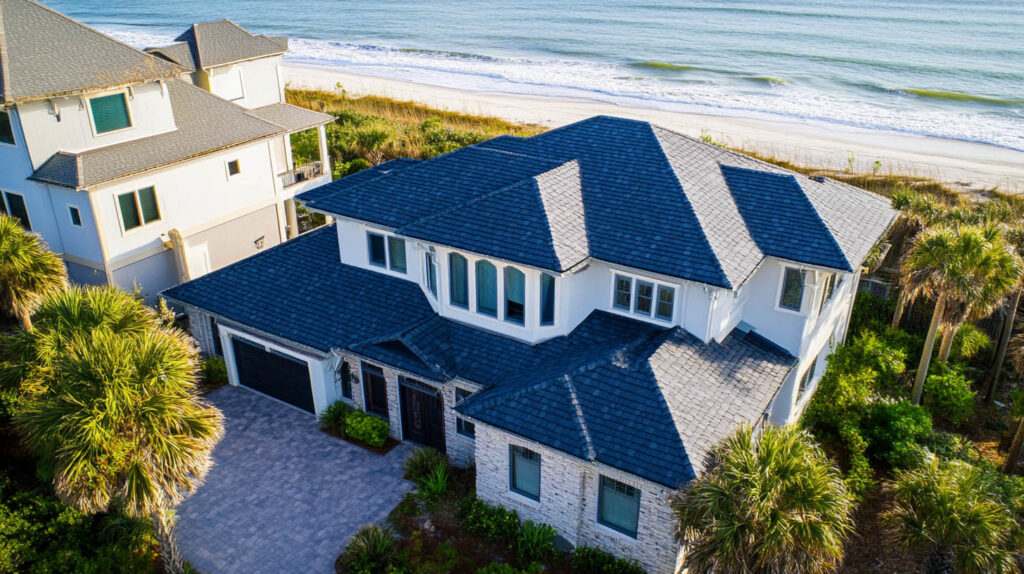
Choosing high-performance asphalt shingles for Atlantic Beach provides homeowners with robust protection against the region’s unique coastal challenges. Engineered for superior wind resistance and water intrusion prevention, these shingles are designed to comply with Florida’s building codes, particularly the stringent wind load calculations necessary for hurricane-prone zones. Installation should always follow proper guidelines to ensure longevity and compliance. With products meeting Florida Product Approval standards, homeowners can have confidence in their roofing project, enhancing both energy efficiency and structural integrity in a coastal environment.
Impact-Resistant Metal Roofing Options in Ponte Vedra
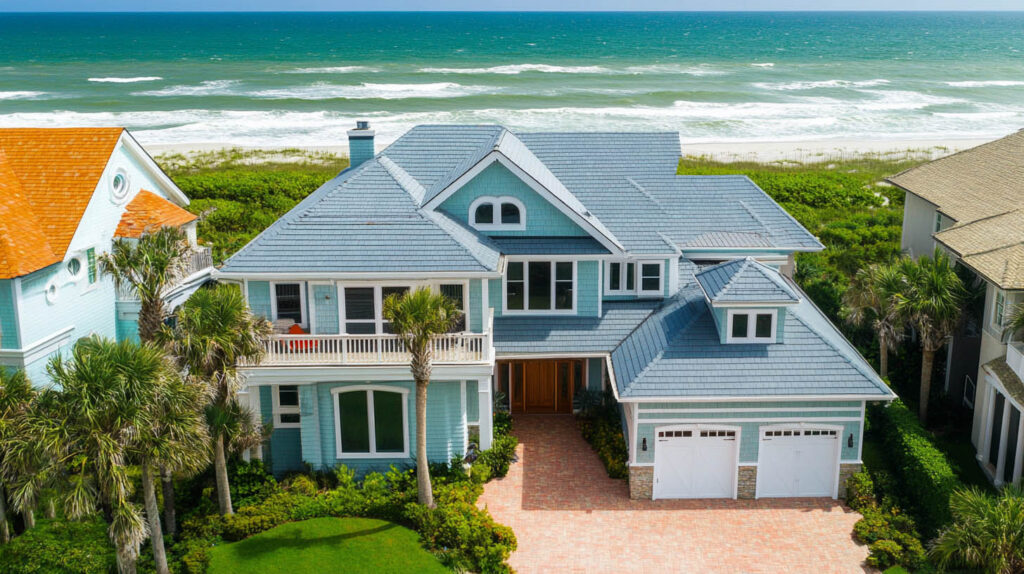
Metal roofing options stand out in Ponte Vedra due to their superior resilience against coastal elements. Designed with wind load requirements in mind, these materials resist high winds and water intrusion, crucial in hurricane-prone areas. Utilizing stainless steel fasteners and following installation instructions helps ensure structural integrity. Additionally, options with Florida product approval align with the stringent building codes specific to local jurisdictions. As energy efficiency becomes essential for Florida homeowners, opting for impact-resistant metal roofs provides peace of mind while enhancing property value.
Code Compliance and Contractor Qualifications
Ensuring adherence to code compliance is crucial for any roofing project. All roofing materials and installation practices must align with local codes, especially in coastal areas where regulations are stricter due to environmental factors. Choosing a certified roofing contractor ensures proper installation and meets the specific technical requirements outlined by the Florida Building Code. Moreover, verifying a contractor’s qualifications, including their expertise in wind load calculations and other compliance aspects, provides homeowners with peace of mind regarding structural integrity and longevity of the roof.
Ensuring Materials Meet Current Code Standards
Compliance with current code standards is essential for safeguarding properties in coastal regions. Adhering to the Florida Building Code ensures that roofing materials not only withstand strong winds and heavy rain but also meet local jurisdictions’ technical requirements. Utilizing approved products, such as impact-resistant asphalt shingles or fortified metal roofs, is critical in addressing wind load calculations and enhancing storm resilience. Engaging with qualified roofing contractors guarantees proper installation and a thorough understanding of inspection requirements, offering homeowners peace of mind during hurricane seasons.
Choosing a Certified Roofing Contractor in Jacksonville, FL
Choosing the right roofing contractor is crucial for your project. In Jacksonville, FL, an experienced contractor will know local building departments and smoothly handle permits and inspections, preventing costly delays.
Choose a company with strong credentials. Avenue Roofing is veteran-owned, A+ rated by the BBB, Google Guaranteed, and a CertainTeed Select Shingle Master—proof of our expertise and commitment to quality. We offer industry-leading warranties and technical excellence. A reputable contractor also assists with insurance claims and ensures proper documentation. At Avenue Roofing, we deliver precise, code-compliant work on every project, guaranteeing your satisfaction.
Call Us 904-712-3494Get in Touch
In conclusion, knowing the specific roofing codes for Atlantic Beach and Ponte Vedra is crucial for homeowners in these coastal areas. Unique environmental factors like salt air and humidity require specialized materials to ensure durability and compliance. By staying informed and choosing the right materials, you can protect your home from harsh coastal conditions. At Avenue Roofing, we offer expert, reliable roofing solutions tailored to your needs. Contact us today for a quote.
Frequently Asked Questions
What type of roof is best for coastal areas?
The best roofing materials for coastal areas offer high wind resistance and protection against salt air and water damage. According to the Florida Building Code, options like impact-resistant metal roofing and high-performance asphalt shingles with corrosion-resistant fasteners are excellent choices for their durability.
Why wasn’t the US land attacked during WW2?
During World War II, the U.S. mainland faced limited attacks due to its geographical position, strong military defenses, and intelligence capabilities. The focus was mainly on European and Pacific theaters, while the U.S. prioritized protecting critical infrastructure and maintaining a robust naval presence.
Read our blog: Cutting JEA Costs: Attic Ventilation Strategies for Jacksonville’s Humidity
Ready for a free inspection?
Your Guide to A Roofing Education:
From inspection to perfection.
Get Started