
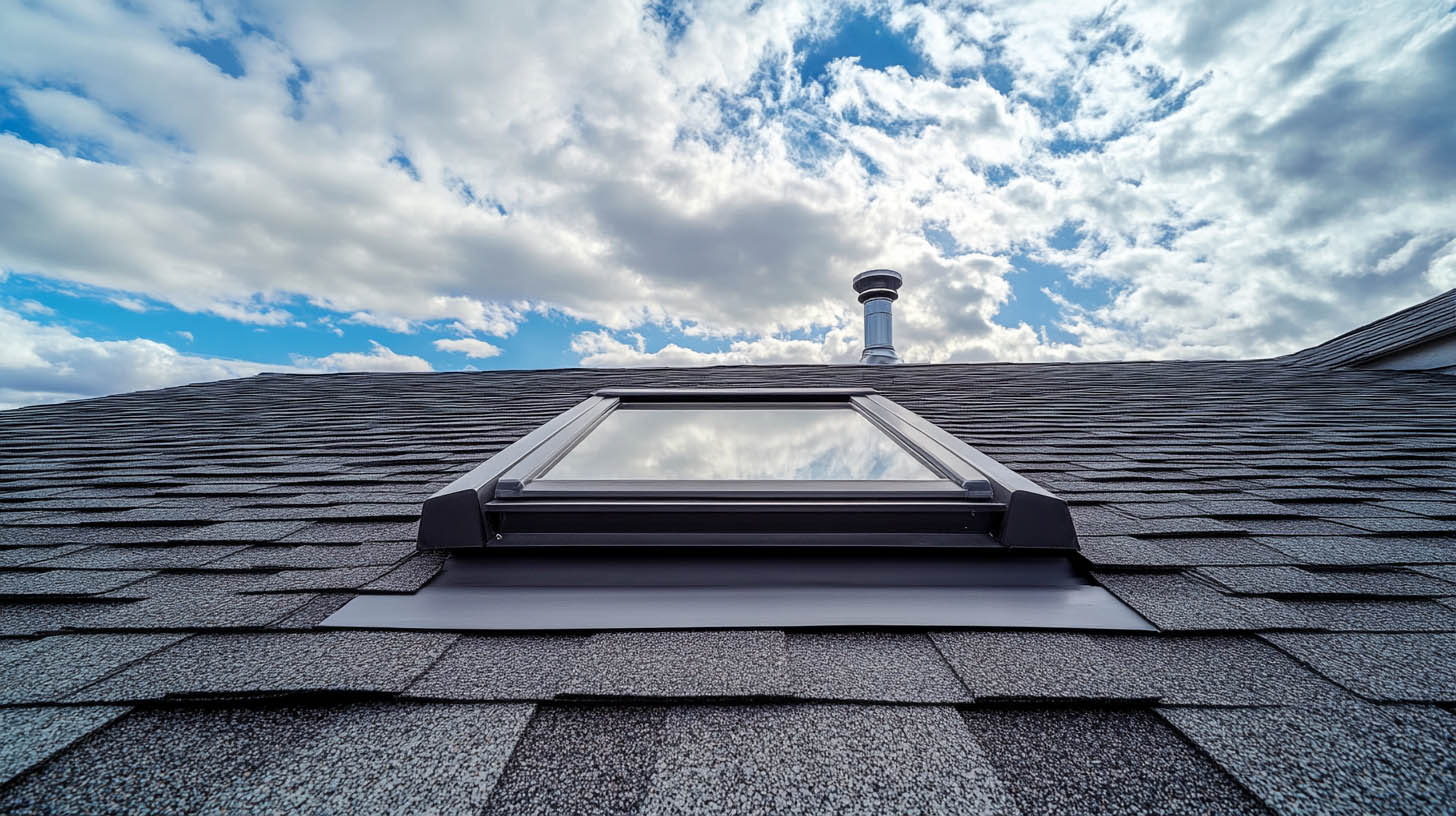
Blog
Cutting JEA Costs: Attic Ventilation Strategies for Jacksonville’s Humidity
Are you tired of high JEA bills during Jacksonville’s hot, humid summers? The problem might be right above your head. Your attic can trap a massive amount of hot air, forcing your air conditioner to work overtime and driving up energy costs. At Avenue Roofing, we know that proper attic ventilation is one of the most effective ways to lower your expenses and improve your home’s comfort. Let us show you how.
Why Attic Ventilation Matters in Jacksonville’s Humidity
In Jacksonville, FL, humidity is a year-round challenge that directly impacts your home. Without an effective attic ventilation system, the combination of intense sun and moist air creates a superheated space. This trapped heat and moisture can cause significant problems for your roof and your budget.
This excess heat radiates down into your living areas, making it difficult to keep your home cool. Your air conditioning has to run constantly just to keep up, which leads to lower energy efficiency and higher utility bills. Understanding how this process works is the first step toward a solution.
Contact UsThe Impact of Humidity on Home Energy Efficiency
Humidity plays a crucial role in determining your home’s energy efficiency, particularly in areas like Jacksonville. Elevated moisture levels can lead to heat buildup within a poorly ventilated attic, exacerbating the cooling demands on your HVAC system. As a result, the cooling portion of your utility bill may increase significantly. Moreover, excessive humidity can compromise the effectiveness of insulation, leading to higher energy bills and reducing the overall comfort of your living space. Proper attic ventilation helps maintain optimal conditions for energy savings.
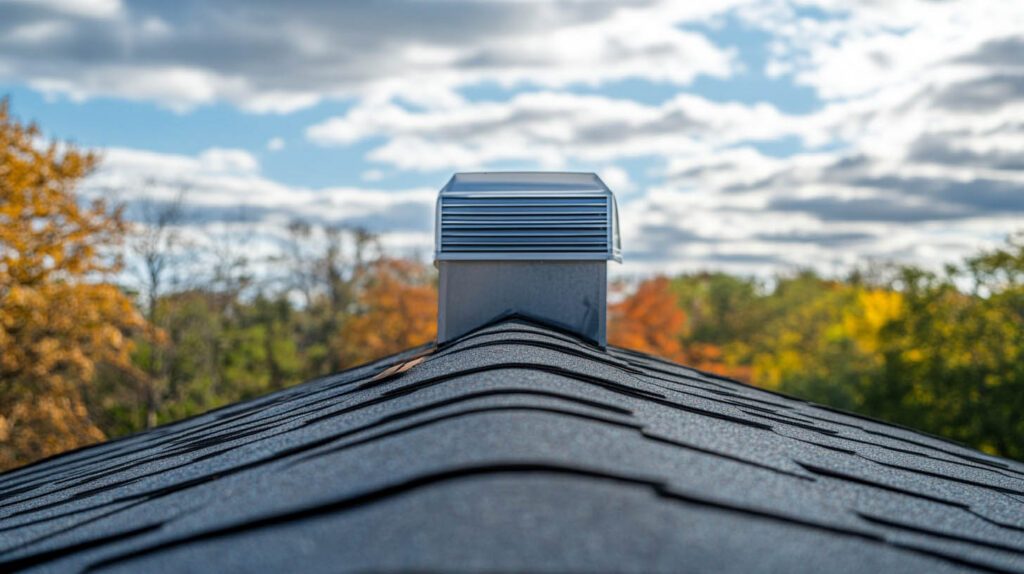
How Poor Attic Ventilation Raises Your JEA Electricity Bills
Inadequate attic ventilation can lead to higher energy bills, primarily due to the excessive heat and moisture buildup in your home. Poorly ventilated attics trap hot air, making your air conditioning system work harder to maintain a comfortable living environment. This increased strain on your HVAC system leads to elevated energy costs, resulting in inflated JEA electricity bills. Consequently, ensuring proper airflow not only enhances indoor air quality but also promotes energy efficiency, keeping your utility expenses in check.
Recognizing Common Attic Ventilation Problems in Jacksonville
Many homeowners in Jacksonville, FL may not even be aware that their attic ventilation system is underperforming or failing. These common problems often go unnoticed until more serious issues, like moisture buildup or a damaged roof, appear. Recognizing the early warning signs is key to preventing costly repairs and high utility bills.
From blocked vents to an imbalanced system, several issues could be compromising your home’s efficiency. The following sections will guide you through the telltale signs that your attic isn’t breathing correctly, helping you identify problems before they get worse.
Signs Your Attic Lacks Proper Airflow
Inadequate airflow in the attic can manifest through various signs that compromise energy efficiency. Noticeably high humidity levels can indicate poor ventilation, leading to moisture accumulation and potential mold growth. Stale air and excessive heat buildup, especially during Jacksonville’s humid summers, can also suggest a lack of effective airflow. Additionally, if your indoor air quality appears compromised or attic insulation shows signs of moisture damage, it’s imperative to address these issues to maintain a properly ventilated attic and a comfortable living environment.
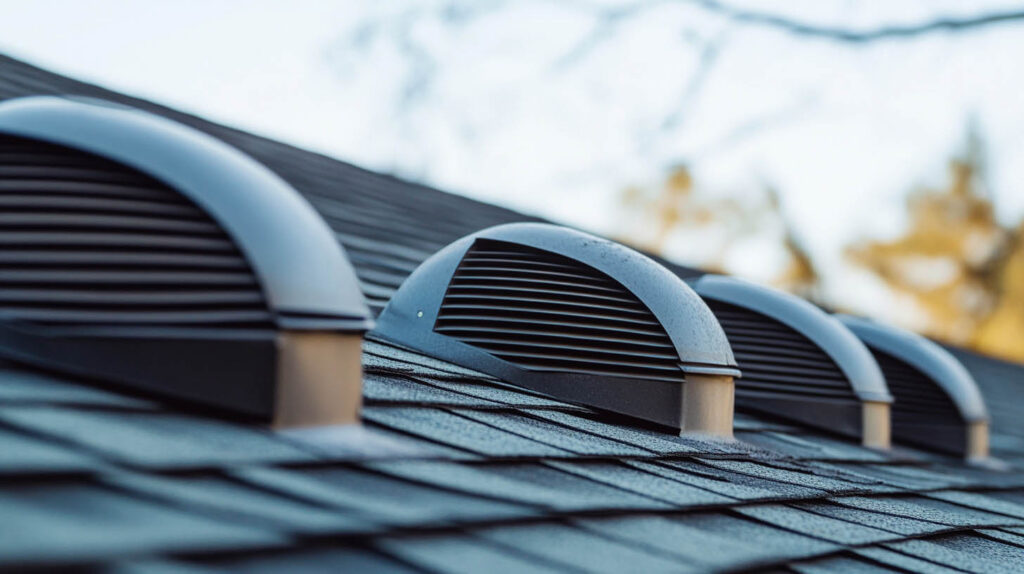
Problems Caused by Moisture and Heat Buildup
Excessive moisture and heat buildup in attics can lead to significant issues, including structural damage and compromised indoor air quality. High humidity levels promote mold growth, which not only affects health but also damages insulation and the structural integrity of your home. Furthermore, accumulated heat stagnates, forcing your HVAC system to work harder, increasing energy costs. Addressing these problems through proper attic ventilation ensures a comfortable living environment, guarding against higher energy bills and extending the life of your roof.
Top Attic Ventilation Strategies for Lower JEA Costs
Fortunately, there are proven attic ventilation strategies that can help you regain control over your home’s energy costs. By implementing a proper ventilation system, you can effectively combat the Jacksonville heat and humidity, leading to lower JEA bills and a more comfortable home. It all starts with choosing the right approach for your property.
The best strategies fall into two main categories: passive and active ventilation. Each offers unique benefits for moving hot, moist air out of your attic. Understanding how these systems work will help you decide on the most effective solution for your needs.
Passive Ventilation Systems That Suit Jacksonville’s Climate
Strategically designed passive ventilation systems can significantly enhance indoor air quality and energy efficiency in Jacksonville’s humid climate. Incorporating ridge vents and soffit vents facilitates the effective flow of drier outside air, promoting a comfortable living environment by allowing excess heat to escape from the attic. This natural airflow reduces moisture accumulation, which in turn helps protect the structural integrity of your home. By effectively managing attic temperatures, these systems can contribute to lower utility bills while preserving the life of your roof.
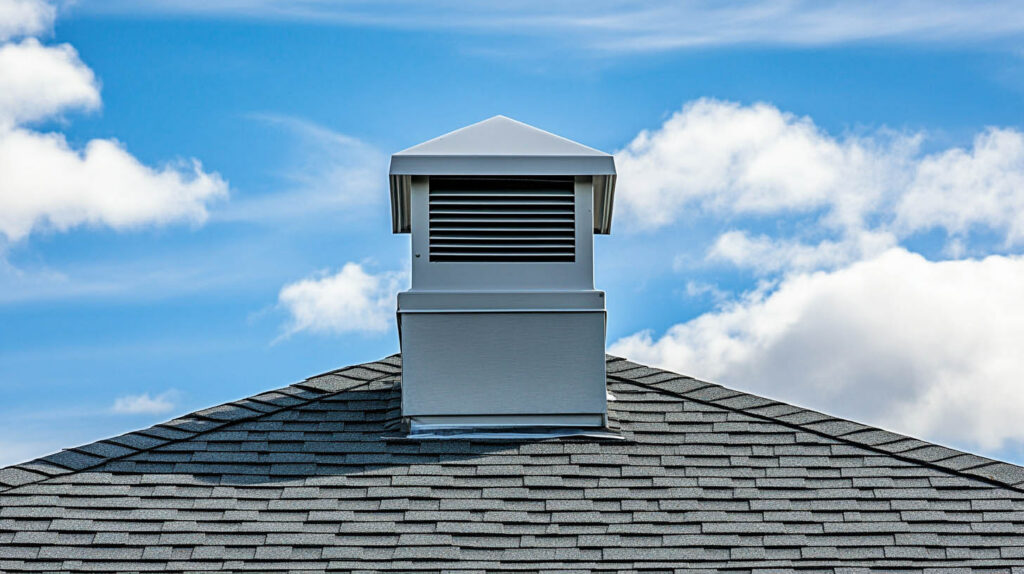
Active Ventilation Options for Extra Cooling Relief
Active ventilation systems serve as a powerful solution for combating excess heat and humidity in Jacksonville’s attics. By integrating exhaust fans or powered attic ventilators, homes benefit from improved airflow that effectively reduces attic temperatures. This not only enhances indoor air quality but also aids in lowering energy costs by minimizing the reliance on air conditioning during those humid summers. Investing in such systems promotes a comfortable living environment, allowing fresh outdoor air to circulate while alleviating moisture buildup and preserving the structural integrity of your home.
Choosing the Right Vent Types
Selecting the correct roof ventilation for your home is crucial for achieving the best results. Not every vent type is suitable for every house, and an imbalanced system can be ineffective. The most successful roof ventilation strategy depends on several factors specific to your property.
Your home’s roof design, architectural style, and the amount of proper insulation you have all play a role in determining which vent types will work best. As a CertainTeed Select Shingle Master, our team at Avenue Roofing has the expertise to assess your home and recommend the most effective combination.
Comparing Ridge, Soffit, and Gable Vents
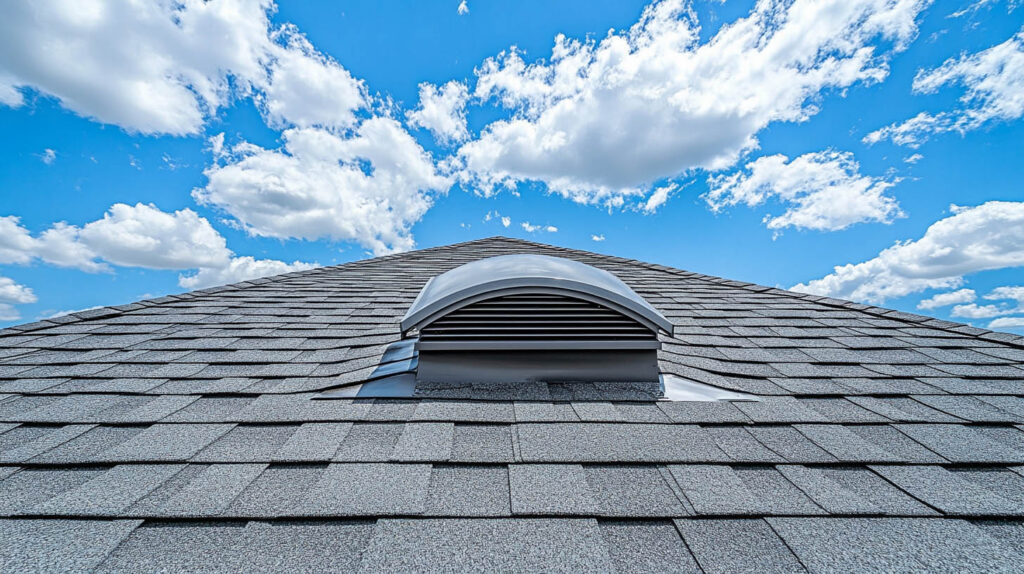
Variations in attic ventilation designs can significantly impact a home’s energy efficiency. Ridge vents, positioned at the peak of the roof, provide excellent airflow and facilitate heat transfer by allowing hot air to escape. In contrast, soffit vents work in tandem with ridge vents by drawing in cooler air, effectively balancing airflow. Gable vents, located on walls, can enhance ventilation but may require additional airflow management to ensure proper circulation. Selecting the right combination of these vents is essential for maintaining a comfortable living environment and reducing energy costs.
Upgrades That Help With Humid Weather
Installing exhaust vents and ridge vents can significantly enhance attic airflow, crucial for combating Jacksonville’s humid conditions. These ventilation systems facilitate heat transfer, allowing stale air to escape while welcoming drier outside air. Additionally, proper insulation around the attic floor prevents excess heat buildup, contributing to a more comfortable living environment. Such upgrades not only improve indoor air quality but also play an essential role in maintaining the structural integrity of your home, ultimately lowering energy costs and extending the life of your roof.
Call Us 904-712-3494Contact us Today
In conclusion, effective attic ventilation is essential for Jacksonville homeowners facing high humidity. Proper ventilation improves comfort, lowers JEA energy costs, and protects your home by promoting efficiency. As a CertainTeed Select Shingle Master with an A+ BBB rating, Avenue Roofing delivers expert solutions with attention to detail. To reduce energy bills and boost efficiency, contact us today for a personalized quote.
Frequently Asked Questions
What are the recommended thermostat settings for JEA?
While specific recommendations can vary, setting your thermostat to 78°F or higher in the summer is a great way to lower energy costs. A properly ventilated attic reduces the heat load on your cooling system, making it easier for your air conditioning to maintain this temperature efficiently.
How to conserve electricity in the summer?
One of the most effective ways to lower your summer JEA energy costs is to improve your attic ventilation. This simple step reduces attic heat, which lessens the strain on your HVAC system. A more efficient air conditioning unit uses less electricity, leading to significant savings.
Read our blog: Post-Storm Roof Documentation Tips That Can Help With Insurance Approvals
Ready for a free inspection?
Your Guide to A Roofing Education:
From inspection to perfection.
Get Started